Global
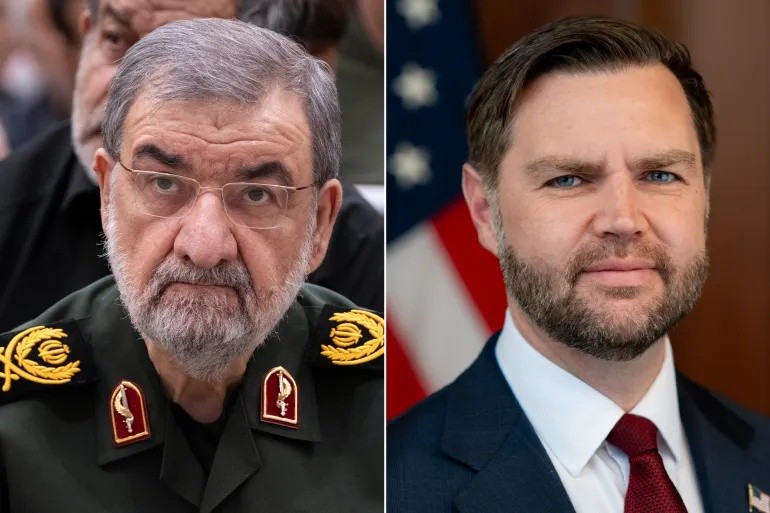
Iranian sources confirmed that Tehran received a message from U.S. Vice President J.D. Vance but has not responded to it. Tehran insists on its seven conditions that the United States must meet, emphasizing that any stance outside this framework is unacceptable. The message sent by the U.S. Vice President to Iran's Supreme National Security Council Secretary Mohsen Rezai stressed that any negotiations to avoid U.S. military strikes must include discussions on the nuclear issue. This message represents the highest level of communication between Washington and Tehran in recent months and comes as President Donald Trump considers resuming large-scale military operations in Iran following the upcoming midterm elections. Vance proposed to Trump sending the message to Rezai, a senior security official in Iran with direct contact to the Supreme Leader. A U.S. official noted that the President was enthusiastic about this initiative but did not specify the sending date, while The Wall Street Journal was the first to reveal its content. One of the main points of contention in the negotiations is Iran's demand for lifting the maritime blockade, releasing frozen funds, and allowing oil sales before resuming talks, whereas Washington insists on starting nuclear negotiations first. Trump stated that the message relates to helping Iran obtain necessary medical supplies, emphasizing the goal is to support people in poor health. Contacts are ongoing between the U.S. Vice President and a hardline Iranian official in an attempt to revive peace talks amid U.S. threats to resume military operations. Reports revealed that the message was sent under the President’s guidance to explore the possibility of finding common ground that could prevent an imminent military strike. The message did not include specific details of a peace agreement but focused on a potential framework for resuming negotiations. Some U.S. officials believe that engaging with hardline figures, whose influence has grown recently, may open opportunities for a diplomatic resolution.