policy
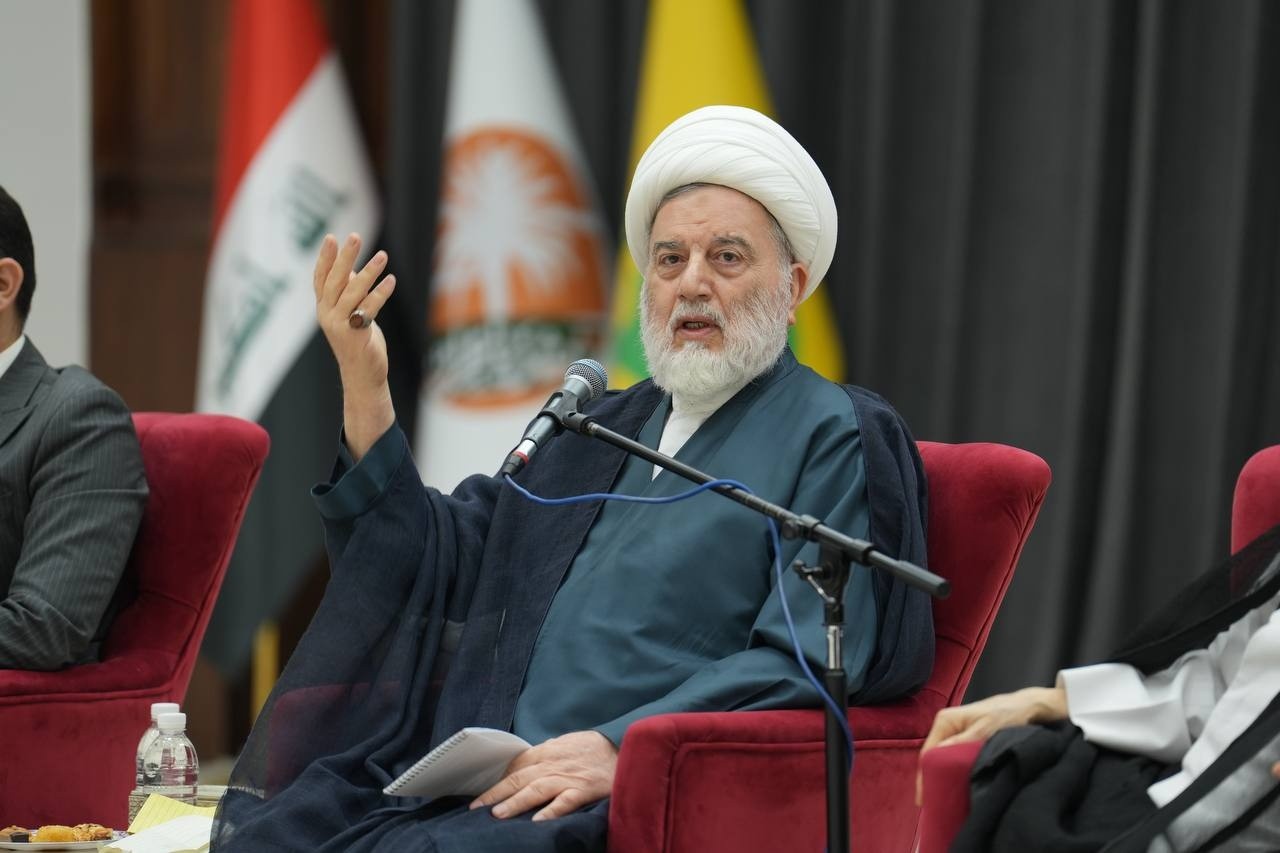
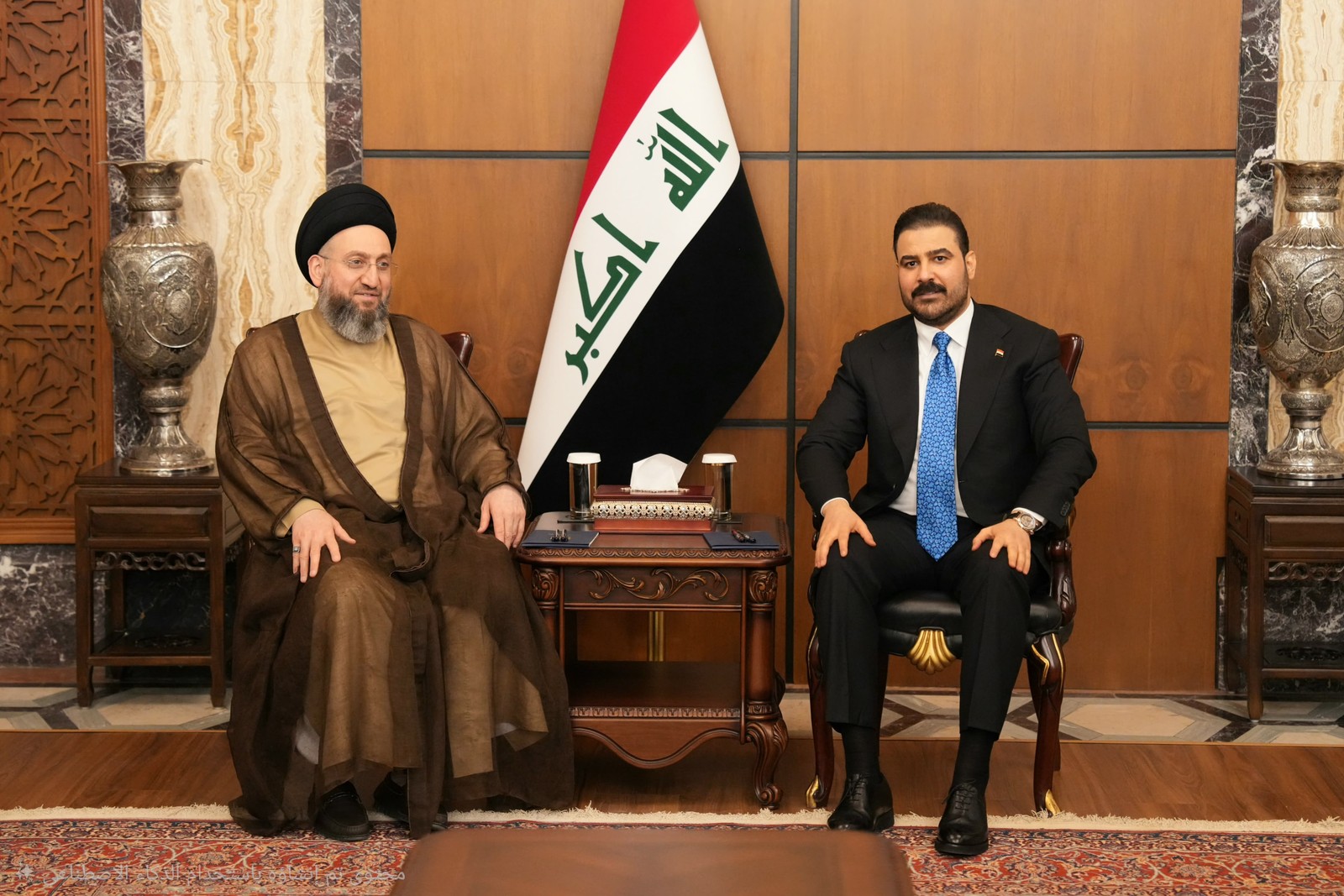
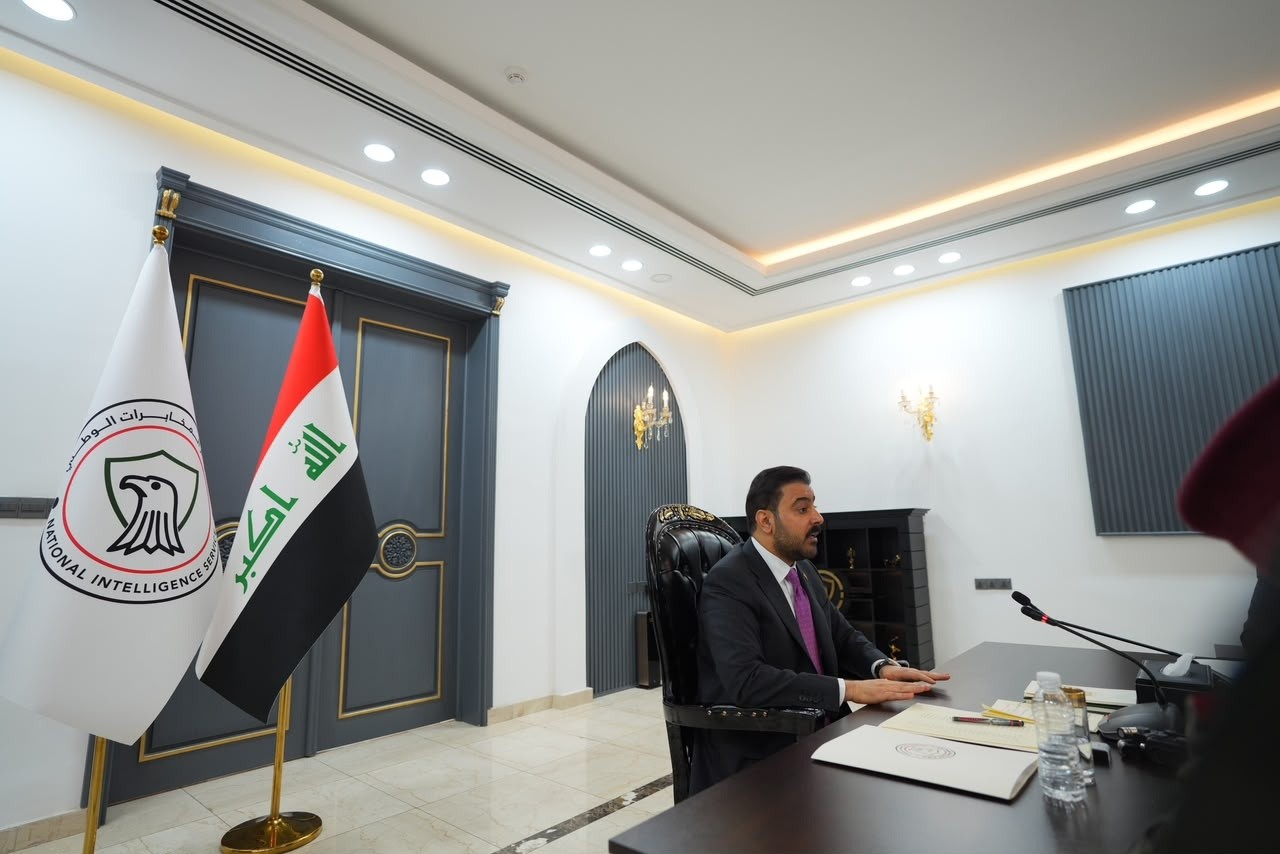
Hamam Hamoudi, head of the Iraqi Supreme Islamic Council, affirmed that the Coordination Framework is responsible for setting visions and policies for Prime Minister Ali Al-Zaidi's government, highlighting strong harmony and understanding between the two sides. He stated that Iraq is moving towards a project of full and comprehensive sovereignty. During his participation in a dialogue forum, Hamoudi emphasized that the homeland is not merely land and borders but identity, culture, creed, and values, with religion as the foundation of the nation. He warned that neglecting these fundamentals opens the door to attempts to fragment and seize the country. He confirmed that Prime Minister Ali Al-Zaidi is the choice of the Coordination Framework, which bears responsibility before God and the people for drafting visions and policies according to law and constitution, while Al-Zaidi executes them through governmental mechanisms, with significant harmony and understanding between them. Hamoudi noted that Al-Zaidi's foreign visits reflect the respect and acceptance Iraq enjoys, conveying a message of being part of the Arab world, keen on relations with neighboring countries, and possessing a vision that contributes to regional stability. Regarding regional affairs, Hamoudi stated that the US president seeks an achievement, even if illusory, to save his future, while Iran refuses outcomes below its sacrifices. He pointed out that any upcoming existential battle will open new fronts involving all supporters of the axis of justice, with no limits or rules, but a fight for dignified life. He stressed that Iraq, with its identity, vision, and people, is a source of stability and strength in the region, helping to prevent terrorism and Zionist projects, and affirmed that the Iraqi people will not accept supporting any regimes backing Zionist presence. On sovereignty, Hamoudi explained that September 30 was not merely a celebration but a declaration to launch a major national project aiming for full and comprehensive sovereignty. Key outcomes include the withdrawal of all coalition and NATO forces, agreement on the exit of Turkish forces by year-end, disarmament of Turkish and Iranian opposition, ending their presence in Iraq, and developing Iraqi air defense capabilities. On the economic front, he described external borrowing as a sensitive issue that could restrict the country under World Bank policies, confirming the Coordination Framework's rejection of this approach and that parliament will not permit it either. Regarding the Coordination Framework's operation, he noted that the multiplicity of parties and complexity of discussions led to forming specialized committees responsible for specific files, offering visions, advice, and following up on implementation. He called on Iraqi merchants to emulate the prime minister's initiative in donating and contributing to building schools in remote and deprived areas, as well as establishing schools nurturing talents in cooperation with local authorities or through joint initiatives. Hamoudi concluded by saying that events shape conscious nations led by self-sacrificing leadership and a people devoted to resilience, courage, and willpower, citing the Iranian experience as a model admired worldwide.