Eco
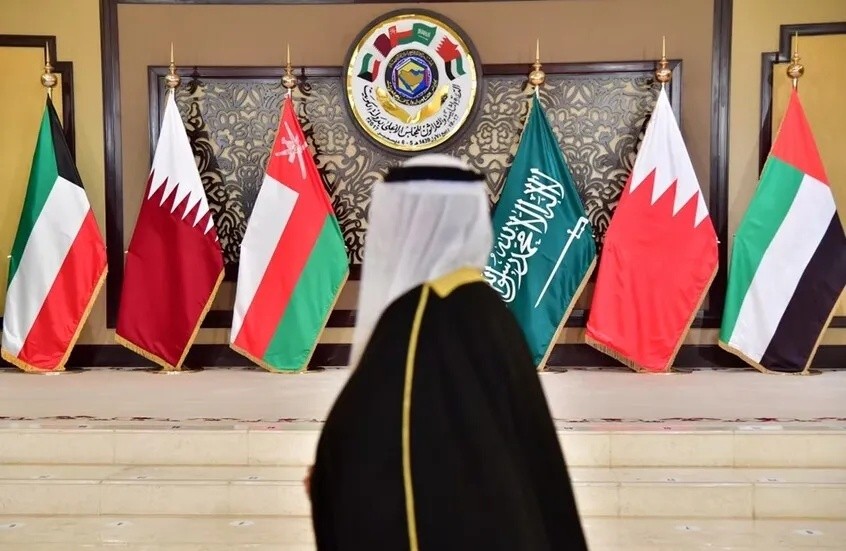
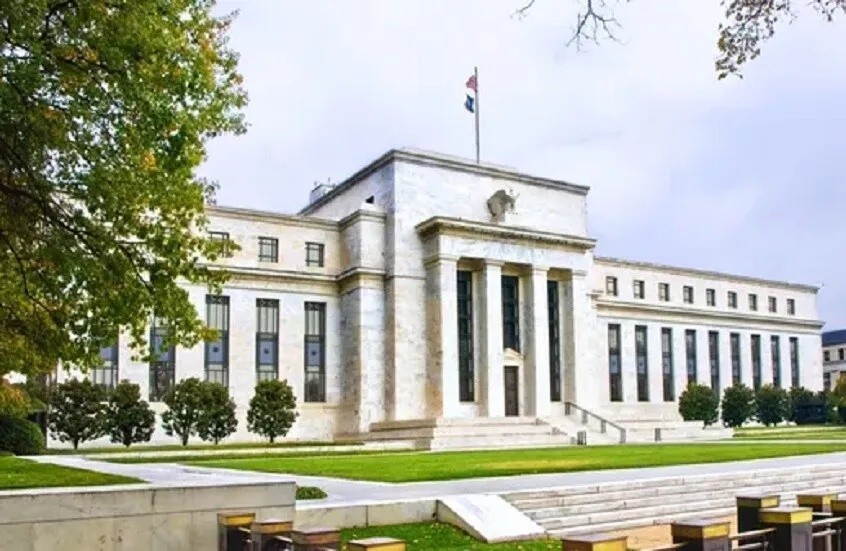
Most central banks in Gulf countries raised their key interest rates on Wednesday, following the US Federal Reserve's decision to increase its rates by a quarter percentage point. Oil and gas exporting Gulf states typically mirror the Fed's rate decisions, as most regional currencies are pegged to the US dollar. The Kuwaiti Dinar is the sole exception, linked to a currency basket. Saudi Arabia, the region's largest economy and biggest oil producer, increased its repurchase agreement (repo) rate by 25 basis points to 4.50%, and its reverse repo rate by 25 basis points to 4%. This occurs as the Kingdom faces sporadic attacks in recent weeks from the Iran-backed Houthi group in Yemen. The United Arab Emirates also announced a 25 basis point rise in its overnight deposit facility base rate to 3.9%. In Oman, the Central Bank similarly raised its repurchase operations rate with local banks by 25 basis points to 4.5%. Regarding US monetary policy, former President Donald Trump had pledged to lower prices. However, factors like global import tariffs, an energy sector shock post-Iran conflict, and AI boom-driven capital expenditure fueled persistent inflationary pressures. In response, the Federal Reserve hiked its benchmark interest rate by a quarter percentage point, to a range of 3.75% to 4%. In Qatar and Bahrain, both central banks raised their key interest rates by 25 basis points. Conversely, the Central Bank of Kuwait maintained its interest rates, stating in a separate announcement that current data reflects the "soundness and robustness of monetary and financial stability" in the country. A Reuters poll from last July indicated forecasts of a sharper economic contraction for most Gulf economies this year than expected, before a 2027 rebound. This is due to energy shipment disruptions from the Iran conflict, the de facto closure of the Strait of Hormuz, damage to energy production facilities, and declining ship traffic, all impacting regional tourism and business.