

Eco
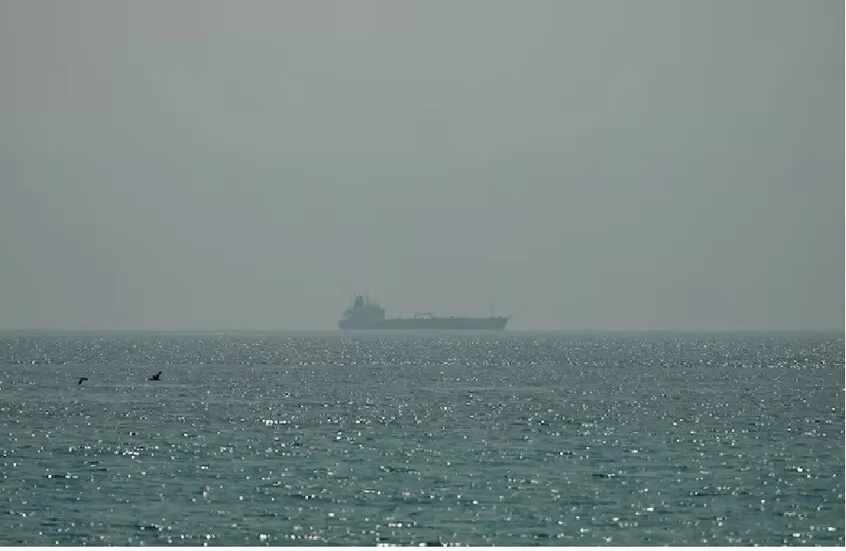
Oil prices edged higher today, Monday, following a renewed exchange of strikes between the United States and Iran in the Middle East, which underscored the fragile nature of their interim agreement aimed at ending conflict. These renewed tensions have led to a noticeable slowdown in oil shipping traffic through the strategic Strait of Hormuz. Brent crude futures advanced by approximately 50 cents, or 0.69%, reaching $72.49 per barrel by 22:04 GMT. Similarly, US West Texas Intermediate (WTI) crude saw an increase of 73 cents, or 1.05%, trading at $69.96 per barrel. It is noteworthy that Iran and the United States had signed a memorandum of understanding (MoU) on June 18, which aimed to end the conflict on all fronts, including Lebanon. The agreement stipulated the lifting of sanctions, removal of the naval blockade on Iran, and the resumption of commercial navigation in the Strait of Hormuz within 30 days. However, tensions reignited between the two sides in recent days, with US forces carrying out airstrikes targeting Iranian radar and monitoring facilities. Tehran retaliated by striking American sites in the region, in an exchange of accusations of violating the agreement's terms. Tehran accused Washington of violating Article 1 of the MoU, which obliges the United States to ensure a ceasefire in Lebanon, amidst ongoing Israeli attacks on Lebanese territory. Iranian officials warned that these continued violations "cast a shadow of doubt over the entire agreement." Tehran had closed the Strait of Hormuz last week, accusing Israel and the United States of breaching the MoU, before talks resumed between the parties in recent days in an attempt to salvage the fragile agreement. In the same context, Major General Mohsen Rezaei, advisor to Iran's Supreme Leader, affirmed that "the response to any violation of the memorandum's provisions will be swift and crushing," stressing that Washington had already violated Articles 1 and 5 of the agreement. Furthermore, Iranian Foreign Ministry spokesman Ismail Baghaei announced that his country "will take harsh retaliatory measures" if the United States refuses to fulfill its commitments. This escalation comes as the concerned parties continue their negotiations to reach a final agreement, amidst fears of the region sliding back into a widespread military confrontation, should differences over the interpretation of the MoU's provisions, particularly those related to navigation in the Strait of Hormuz and ending the war in Lebanon, remain unresolved.