
Security
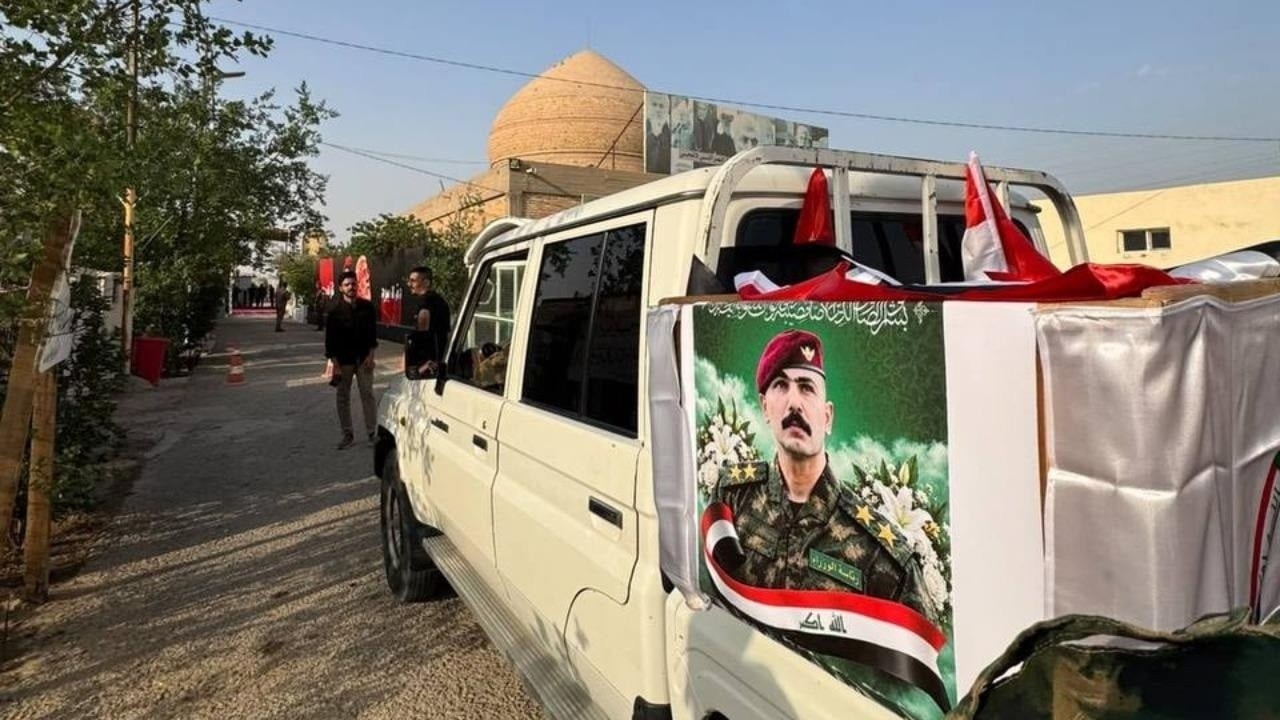
Recent media reports have sparked controversy over the involvement of Iraqi fighters, including a member of the Popular Mobilization Forces, in combat alongside the Houthi group in Yemen, based on unofficial information that has not been independently verified. A report indicated that First Lieutenant Ahmed Awad Kazem Al-Lami, affiliated with the 28th Brigade of the Popular Mobilization Forces, was killed in battles on the Taiz front in southwestern Yemen, citing Yemeni, Arab, and Western sources. It also mentioned Al-Lami's funeral in Iraq and a condolence statement describing his death as a "regrettable incident," while accounts close to the Popular Mobilization Forces claimed he died in a traffic accident inside Iraq, with no details provided about the location or circumstances of his death in the circulated statement. The report stated that Al-Lami's body remained in a military hospital in Sana'a before being transferred to Iraq for burial, based on information from open intelligence sources tracking his movements between the two countries. However, the report did not provide independent evidence confirming Al-Lami's participation in fighting within Yemen, highlighting the need for independent verification regarding the place of death and the nature of his alleged military activity. In a related context, the report referred to earlier statements by the leader of the Iraqi Kata'ib Sayyid al-Shuhada in 2018 expressing readiness to send fighters to Yemen to support the Houthis, which were met with thanks from the Houthi leader. It also discussed international reports of Houthi fighters receiving training in Iran, Lebanon, and Iraq with assistance from Iraqi specialists, as well as research reports on links between the Houthis and armed groups in Iraq. The report also mentioned the role of Hezbollah Lebanese commander Haitham Ali al-Tabtaba'i, who undertook military and training missions in Yemen for the Houthis before his death in Beirut in 2025. The report raised questions about possible military roles for Iraqi individuals or factions in Yemen and the Houthis' motives for enlisting foreign fighters, particularly on the Taiz front, suggesting potential political and ideological alignment between armed Iraqi and Yemeni groups serving shared regional interests. Nevertheless, these interpretations remain part of the report's perspective and do not conclusively prove Al-Lami's participation in combat or the presence of Iraqi fighters on the Taiz front. Claims regarding the involvement of Popular Mobilization Forces members in Yemen's battles and the circumstances of Al-Lami's death require confirmation from independent official sources, given the reliance on media reports and unofficial sources.