Eco
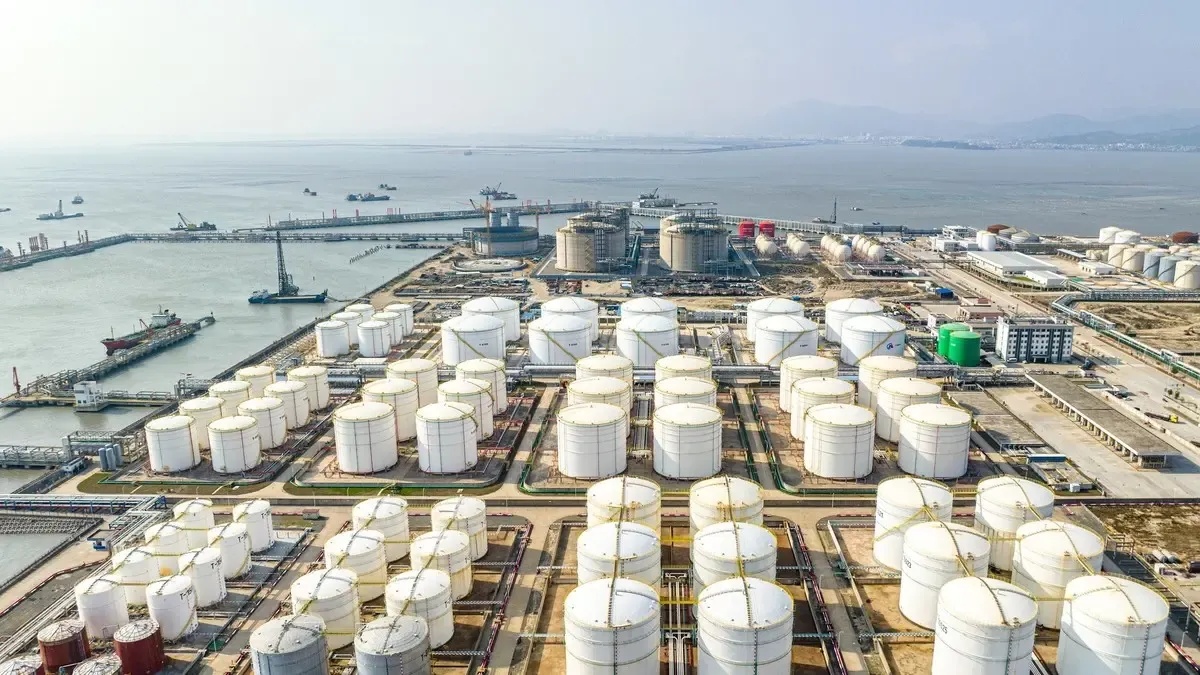
Iranian oil supplies in maritime routes have been notably increasing since Tehran boosted its exports during a temporary agreement aimed at de-escalating tensions with the United States. However, the pace of these sales has begun to slow as independent Chinese refiners shift towards relying on cheaper crude oil from alternative sources such as Iraq, the UAE, and Qatar. The re-imposition of U.S. sanctions is expected to impact purchases of Iranian oil shipped by sea, particularly as these consignments reach Asian ports, potentially deterring buyers. Market traders reported that independent Chinese refiners acquired between 16 million and 20.5 million barrels of crude oil from Qatar, Iraq, and the UAE in recent weeks. These represent the largest purchases of non-sanctioned Middle Eastern crude since the conflict began. Independent refiners located in China's Shandong province account for the majority of China's Iranian crude oil imports. This trend comes as state-owned Chinese refiners have largely avoided direct imports from Iran since the reinstatement of U.S. sanctions on Tehran in 2018. In a related context, a trader familiar with the dealings of privately-owned petrochemical company Shenghong Petrochemical noted that it purchased 12 million barrels of crude from Iraq, Abu Dhabi, and Saudi Arabia. These non-Iranian shipments have replaced demand for oil originating from Iran, following a swift resumption of exports by rival Middle Eastern producers after the Strait of Hormuz reopened in late June. Non-Iranian oil shipments are priced at discounts ranging from $5 to $8 per barrel below Brent crude futures on the Intercontinental Exchange, for deliveries scheduled in August and September. These shipments were sold on a delivered basis by prominent European traders such as Mercuria and Vitol, as well as major state-affiliated companies including PetroChina International, Zhenhua Oil, and Abu Dhabi National Oil Company (ADNOC). Nevertheless, several active traders dealing with independent refiners stated that discounts on light Iranian crude have not significantly changed, remaining at $2 to $3 per barrel below Brent crude futures on the Intercontinental Exchange. Two traders described sellers as "slow and stubborn." One senior trader commented, "Paradoxically, Iranian oil has become the most expensive." In another development, navigation through the vital Strait of Hormuz waterway slowed down again towards the end of last week, following reciprocal attacks between the United States and Iran. **Iranian Oil Tankers En Route** Data from Vortexa Analytics, a tanker tracking specialist, indicated that between June 15 and July 6, approximately 30 million barrels of Iranian oil were loaded, equivalent to 1.35 million barrels per day. Additionally, the Kpler platform recorded an estimated 34.5 million barrels of Iranian crude passing through the Strait of Hormuz on board 21 tankers between June 14 and July 10. In a post on Thursday, TankerTrackers.com stated, "Anticipating a potential resumption of the U.S. naval blockade at any moment, Tehran shipped at least ten million barrels of crude and fuel oil overnight." Market traders anticipate an increase in Iranian oil sales next week, with independent refiners expecting discounts ranging from $4 to $5 on shipments arriving in August and September. Kpler data showed that China's imports of Iranian oil have reached 556,000 barrels per day since the beginning of the month, marking their lowest level since January 2023.