Eco
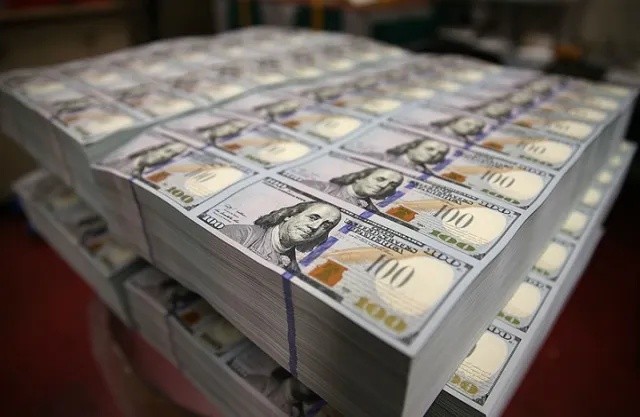
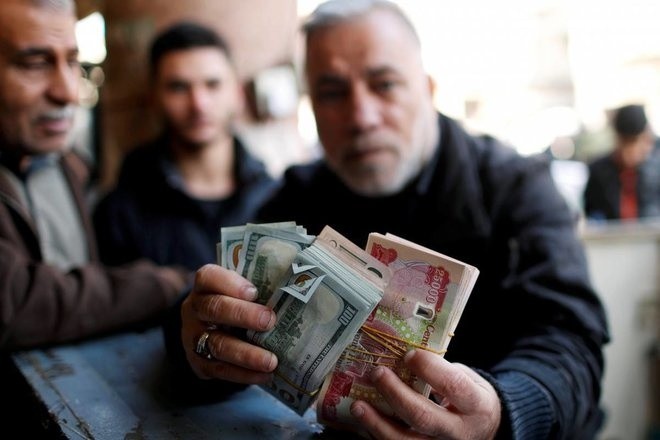
The Central Bank of Iraq announced on Tuesday the recovery of the country's dollar reserves to approximately 80 billion dollars during September and October of the current year, with new shipments of foreign currency arriving in the coming days. The advisor to the Governor of the Central Bank and official spokesperson explained that the total dollar reserves, whether held in the Central Bank's account or the government's account at the U.S. Federal Reserve, have significantly improved after having dropped to 73 billion dollars, now returning to nearly 80 billion dollars. He noted that the gold reserve remains unchanged at 170 tons. The improvement in dollar reserves was attributed to oil export revenues nearing 6 billion dollars over the last two months, a level considered acceptable under current circumstances. He confirmed that the heavy reliance on oil as a main source of public revenue and to finance expenditures, especially salaries, makes the reserves more about adequacy than absolute figures. He added that the reserves were sufficient to cover a full year in case of oil export interruptions as occurred in April, May, and June, but had decreased to nine months; now they are returning to previous levels. He emphasized that reserves should be measured by their ability to support foreign trade, which Iraq heavily depends on, rather than by absolute value. He highlighted the need for the Ministry of Finance to exert efforts to reduce reliance on reserves through diversifying funding sources. He pointed out that the Prime Minister personally monitors the arrival of dollar shipments, with each shipment carrying about half a billion dollars. He added that two planes loaded with dollars have already arrived, with more shipments expected in the coming days. He sent a reassuring message to citizens, confirming the availability of cash dollars at the Central Bank, which allowed travelers to obtain six annual quotas instead of two just four months ago. He explained that there is an agreement to continue sending shipments in the upcoming period, noting that the continuity of arrivals depends on security conditions. He warned that any conflict or confrontation could hinder securing the arrival of cash shipments, which require special protection due to their large size. He confirmed that Iraqi reserves are distributed across several financial centers worldwide, including Europe, Basel, the UAE, and China, but the majority is held at the U.S. Federal Reserve for the protection it provides. He mentioned ongoing legal cases abroad against some Iraqi government banks that have not yet been resolved, and their resolution could open other options for depositing reserves. He affirmed that the decision to deposit most reserves at the U.S. Federal Reserve is based on scientific and technical considerations, not political ones.