policy
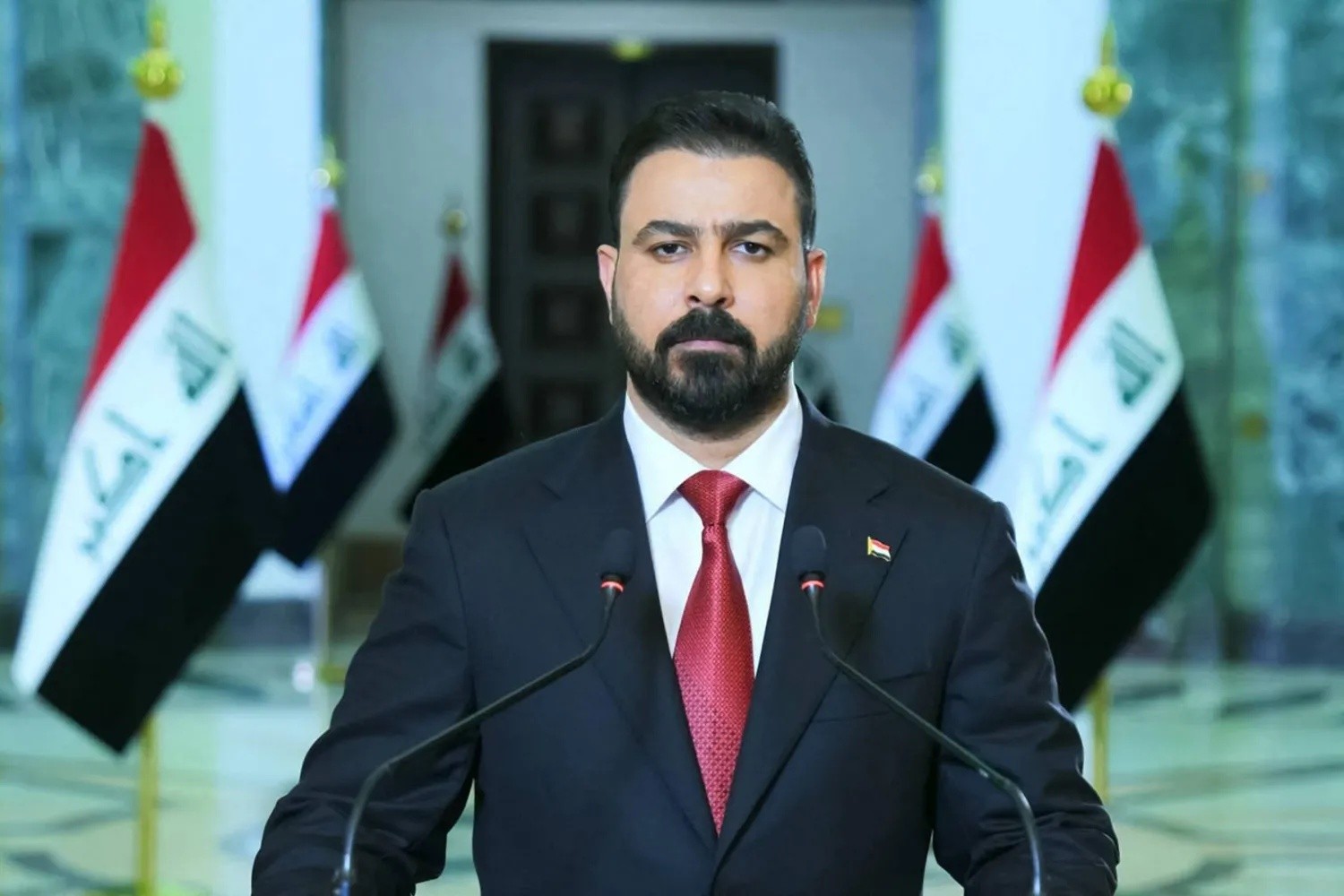
Prime Minister Ali Faleh Al-Zaidi stressed on Tuesday that the security of Iraq and the stability of the Kingdom of Saudi Arabia form a fundamental part of a broader equation for Gulf security and regional stability. Al-Zaidi stated in an article titled "Iraq and Saudi Arabia... Towards a Stable Regional System" that bilateral relations acquire special strategic importance given the political and economic weight of both countries, as well as the Arab ties and shared geographical, economic, and security interests that unite them. He noted that both countries have made tangible progress in rebuilding trust and opening channels of cooperation, providing a solid foundation to build upon for transitioning to a more advanced stage in bilateral relations. He added that the security of Iraq and the stability of the Kingdom of Saudi Arabia are not separate issues, but rather constitute part of a wider equation for Gulf security and regional stability. This vision requires flexible diplomacy based on the principle of mutual sovereignty and respect for each country's right to make decisions according to its national interests. Iraq respects the sovereignty of other countries, just as it demands respect for its own sovereignty. Furthermore, Iraq's geographical location and diverse regional and international relations afford it the opportunity to act as a bridge for communication and a meeting point for dialogue, rather than being an arena for competition and conflict or a launchpad for threatening neighboring countries. Iraq can play the role of a mediator connecting regional powers through dialogue, which requires a balanced approach to relations based on avoiding alignment within competing regional axes and adopting a policy of neutralizing Iraq from conflicts. The severe disruptions witnessed in markets, trade, and energy supplies as a result of the closure of the Strait of Hormuz have inflicted damage on regional economies, emphasizing the necessity of diversifying trade routes to prevent reliance on a single path or exceptional circumstance. Therefore, Iraq needs a more flexible economy based on diversifying sources of income, expanding trade gateways, developing transport and infrastructure, strengthening industry and agriculture, and opening the field to the private sector and investment. The Development Road project, along with trade and transport linkages with Gulf countries, represents an important opportunity to expand Iraq's economic role and link it to regional and international markets. The stability of Iraq remains the foundation for the success of any partnership. Investment requires a stable state, clear laws, and institutions capable of protecting rights and enforcing contracts. Therefore, combating corruption, simplifying procedures, and strengthening the rule of law are not just internal reforms, but necessary conditions for attracting investments and enhancing economic independence. Based on this vision, Iraq and the Kingdom of Saudi Arabia can establish a new phase of rapprochement towards partnership and joint planning. A stable relationship between Baghdad and Riyadh will constitute a core pillar for achieving broader stability and greater integration in the Gulf and the region.