Local
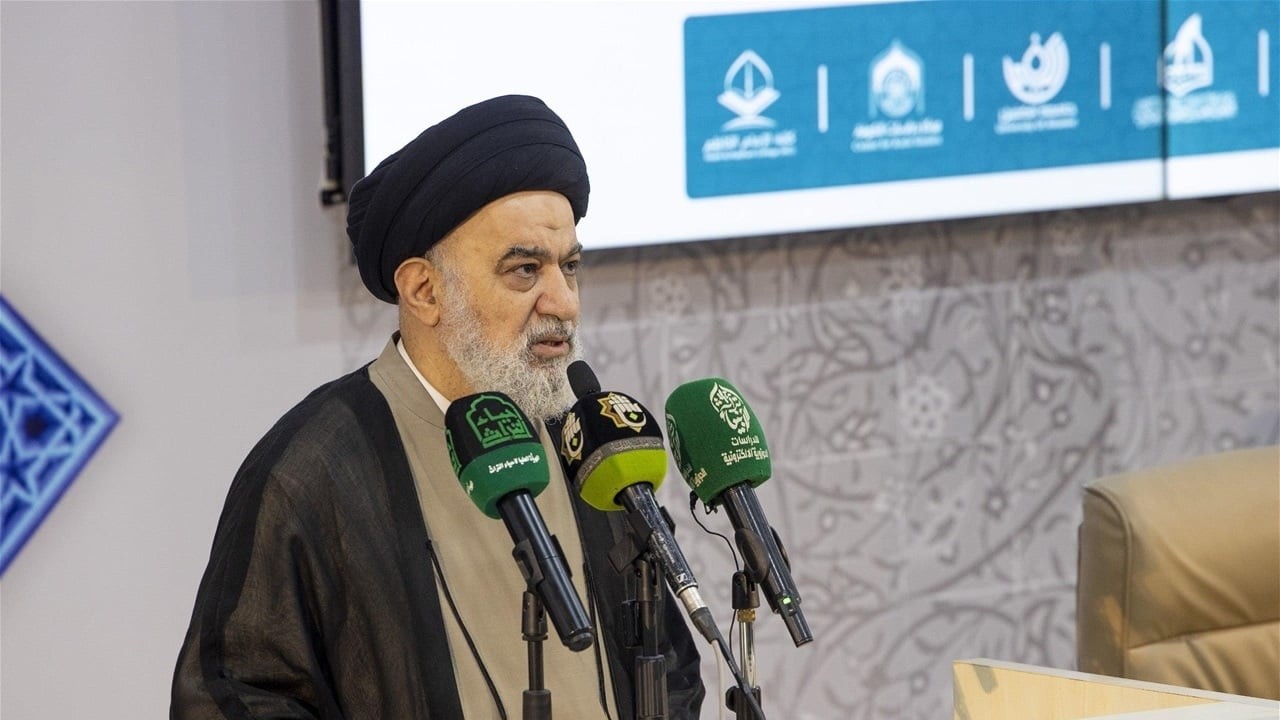
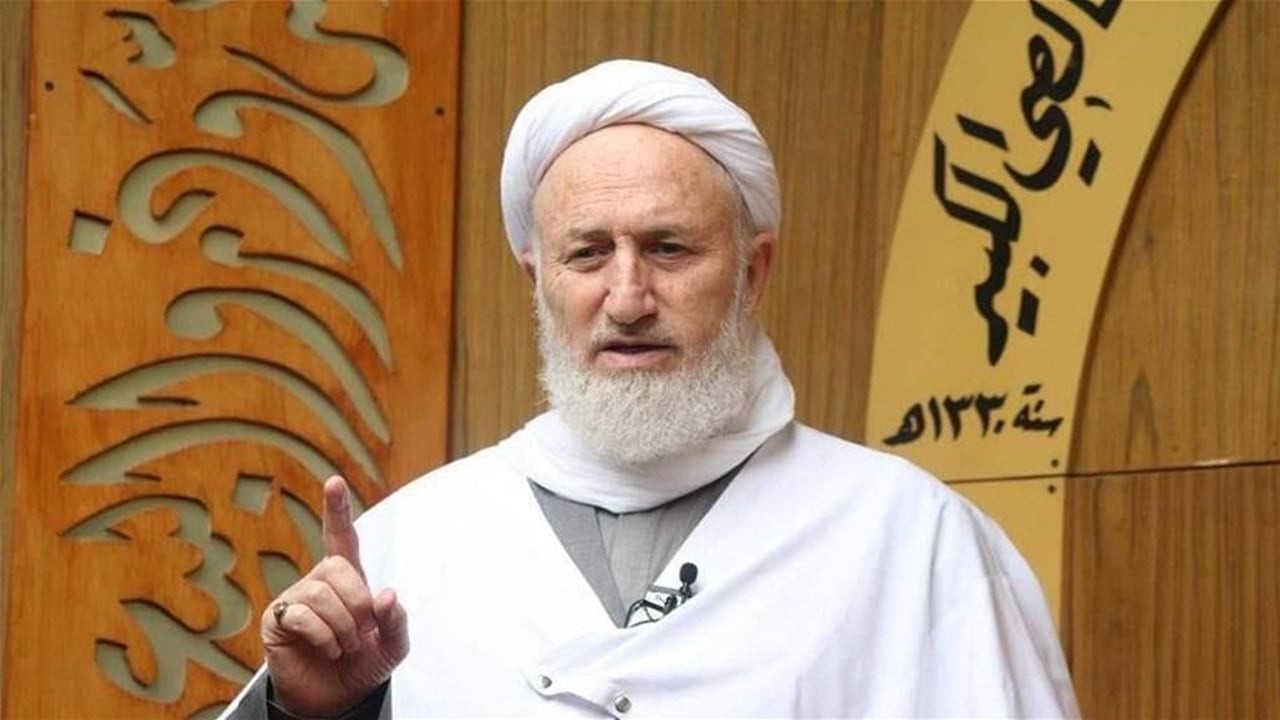
The representative of the religious authority, Mr. Ahmed Al-Safi, emphasized that a millennium of scholarly contribution in the seminary is a significant achievement, highlighting Najaf's distinction through its diverse knowledge and embrace of various sciences. This was stated during the second conference marking the millennium of the seminary, organized by the Abbasid Shrine in Najaf. Al-Safi noted that many civilizations have risen and fallen due to various reasons, including conflicts aimed at erasing identity or expanding territories. He added that Iraq was not immune to such conflicts which affected it, yet the intellectual and jurisprudential strength in Najaf remained resilient, often helping to prevent discord and mediating between great powers to attempt reform. He pointed out that the presence of the sacred shrines in Iraq played a key role in attracting religious students, questioning the motives behind Sheikh Al-Tusi’s choice of Najaf after leaving Baghdad, affirming that his decision was wise to be close to Imam Ali (peace be upon him). He stressed the importance of reflecting on this scholarly legacy spanning a thousand years, expressing gratitude to all who participated in the research presented during the conference, both in its previous and current sessions. He highlighted two main features of Najaf: first, the soil connected to the Commander of the Faithful, which is deeply felt by every visitor to the shrine; second, the intellectual diversity that makes Najaf like a lush garden encompassing poetry, literature, and scientific systems, with a focus on jurisprudence and principles. He explained that the science of principles has expanded to include numerous issues, with centers established to revive the rich Najafi heritage, despite difficult circumstances that hindered the publication of many works, and some books were destroyed by tyrannical forces. He referred to the 1991 incident when the Hakim Public Library was looted, with some soldiers using books as fuel for preparing food and tea.