Global
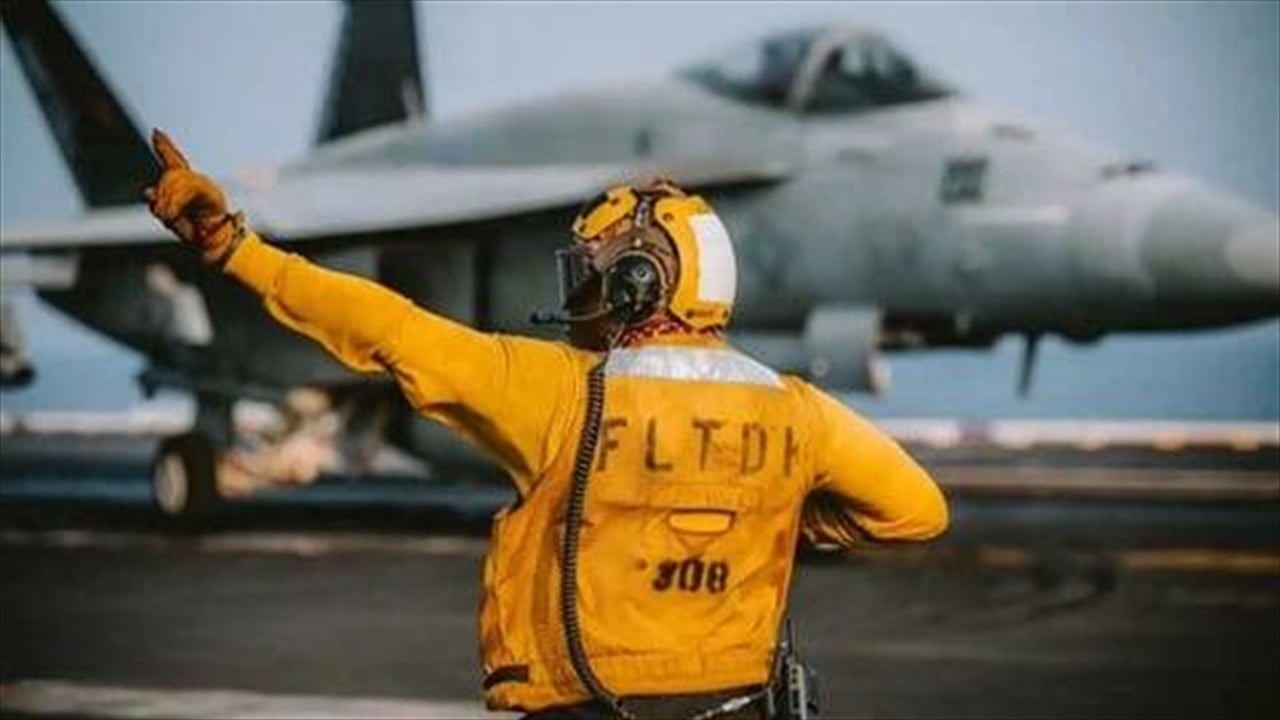
US authorities have announced an elevation of the security alert level in the Middle East, based on reports indicating an escalation in threats targeting American interests and facilities in the region. Information points to movements by Iran-backed factions, particularly in Yemen, aiming to expand potential targets to include diplomatic sites and critical infrastructure. This warning coincides with the US Thanksgiving holiday, aiming to reduce the element of surprise and secure citizens amid heavy travel and reduced administrative activity. US officials are monitoring attacks on American interests in Bahrain and Kuwait, alongside threats linked to the Houthis and assaults on civilian facilities in the area. Decision-making bodies within the Pentagon and National Security Council are reviewing the effectiveness of current defensive measures against repeated attacks, reopening discussions on rules of engagement and response options, including direct deterrent messages to Iranian decision-makers if the safety of Americans or vital US interests faces further threats. These developments occur amid increasing regional complexities, where US security warnings intersect with leaks about military options under consideration within the presidential administration, as the conflict with Iran enters its ninth month, raising fears of a broader confrontation between Washington and Tehran. The security alert reflects a US mobilization to protect citizens, installations, and interests in the region, alongside internal debates about shifting from containment and limited strikes to more direct actions targeting Iranian decision centers, placing deterrence and escalation calculations to a new test. On November 24, the US mission in Iraq urged American citizens in the Middle East to exercise extreme caution, citing increased armed attack threats from Iran-backed Houthis and Iranian efforts to target officials and US government facilities in the region. The alert warned of possible flight cancellations, airspace closures, and travel disruptions, advising citizens to enroll in the "Smart Traveler" program, monitor flight updates, and avoid gatherings and sites publicly associated with the United States. It highlighted attacks on US assets in Bahrain and Kuwait, as well as Houthi strikes on vital facilities and civilian airports in Saudi Arabia, resulting in civilian casualties and flight disruptions, warning of potential escalation acceleration. The warning coincided with the US embassy in Baghdad suspending routine citizen services from November 26 to 29, resuming on November 30, with emergency consular support continuing. Security warnings gain further significance amid reports of renewed discussions within the US administration about possibly targeting prominent Iranian leaders to remove hardliners seen as obstacles to ending the war. Proponents argue that targeting key figures could signal to remaining Iranian officials that Washington can reach them, potentially prompting a reassessment of positions and opening paths to end the conflict. Opponents caution that such actions might harden remaining Iranian leadership, undermine US credibility in future negotiations, and increase risks to American officials in the region due to potential Iranian retaliation. Reports confirm the president has not made a final decision on this option, with discussions part of a broader set of military alternatives, while the Pentagon continues preparing options related to the war’s course and pressure on Tehran. American national security analyst Tyler Brooks notes the administration faces a strategic dilemma on ending a nine-month war of attrition without escalating into a wider regional conflict that drains US resources and exposes military and diplomatic interests to additional risks. Brooks states the heightened security alert reflects official recognition of increased risks to citizens and facilities but does not necessarily indicate an imminent military decision, highlighting efforts to balance protecting citizens abroad with readiness for tougher options that may soon be presented to the president. He adds that targeting Iranian leadership reflects a trend within the administration viewing traditional pressures as ineffective, believing leadership changes might prompt Tehran to reconsider, especially amid stalled diplomatic channels and ongoing tensions over navigation security in the Strait of Hormuz. However, the analyst warns this approach carries risks of uniting hardline factions in Iran, closing negotiation opportunities, and exposing diplomats and US forces to retaliatory attacks that are difficult to contain.