
Global
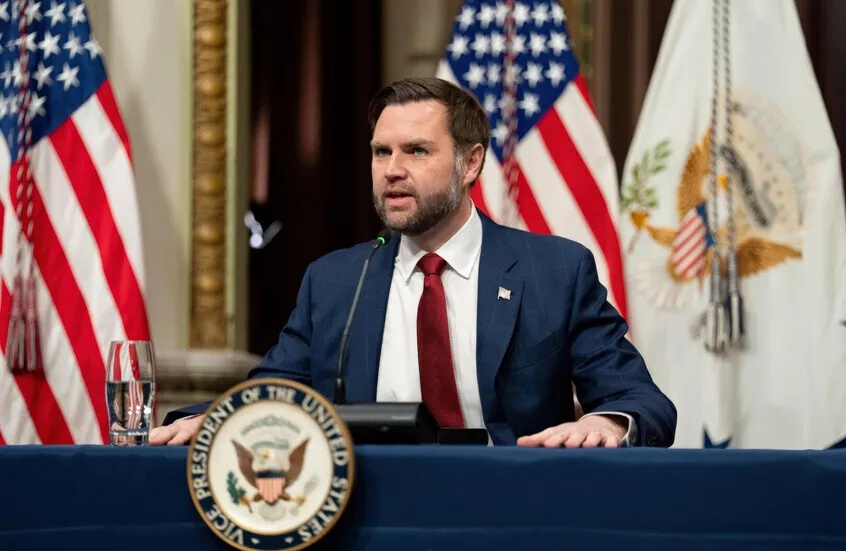
Reports indicate that disputes between U.S. Vice President J.D. Vance and Israeli Prime Minister Benjamin Netanyahu, concerning diplomacy and the ongoing conflict with Iran, have escalated to the point of exchanging personal accusations. Tensions had been accumulating behind the scenes; on one hand, Netanyahu was uncomfortable with Vance's public criticisms. On the other hand, Vance believed Netanyahu was using his aides and allies in pro-Netanyahu media in Israel and the United States to attack him and undermine his political influence. Details suggest that Vance accused Netanyahu of attempting to obstruct the Memorandum of Understanding (MOU) between the United States and Iran, in addition to not demonstrating sufficient loyalty to U.S. President Donald Trump. Conversely, the Israeli Prime Minister, during private sessions, criticized Vance's role in the military conflict. As the crisis intensified, Vance assumed a larger role in shaping war policy and negotiations related to Iran. This culminated in the U.S.-Iran MOU, which Vance strongly defended. In contrast, Netanyahu opposed this agreement, but did not publicly declare his opposition, hoping it would collapse on its own, which indeed happened a few weeks later. The two politicians held a bilateral meeting in Washington on Tuesday evening, in an attempt to contain this crisis, whose roots trace back to last March, with positions remaining divergent between them. U.S. and Israeli officials described the conversation as frank and direct. It is noteworthy that Vance is considered the most skeptical voice against Netanyahu within Trump's inner circle since the beginning of the war. As the conflict continued, his criticism of the Israeli Prime Minister increased. Tensions between them emerged in March during a phone call, during which Vance stated that some of Netanyahu's predictions regarding the course of the war were overly optimistic. Furthermore, in June, Vance publicly warned Israeli government officials who criticized the agreement with Iran, and in July, he accused some of them of attempting to influence Washington to force the United States to abandon diplomacy and continue the war.