Local
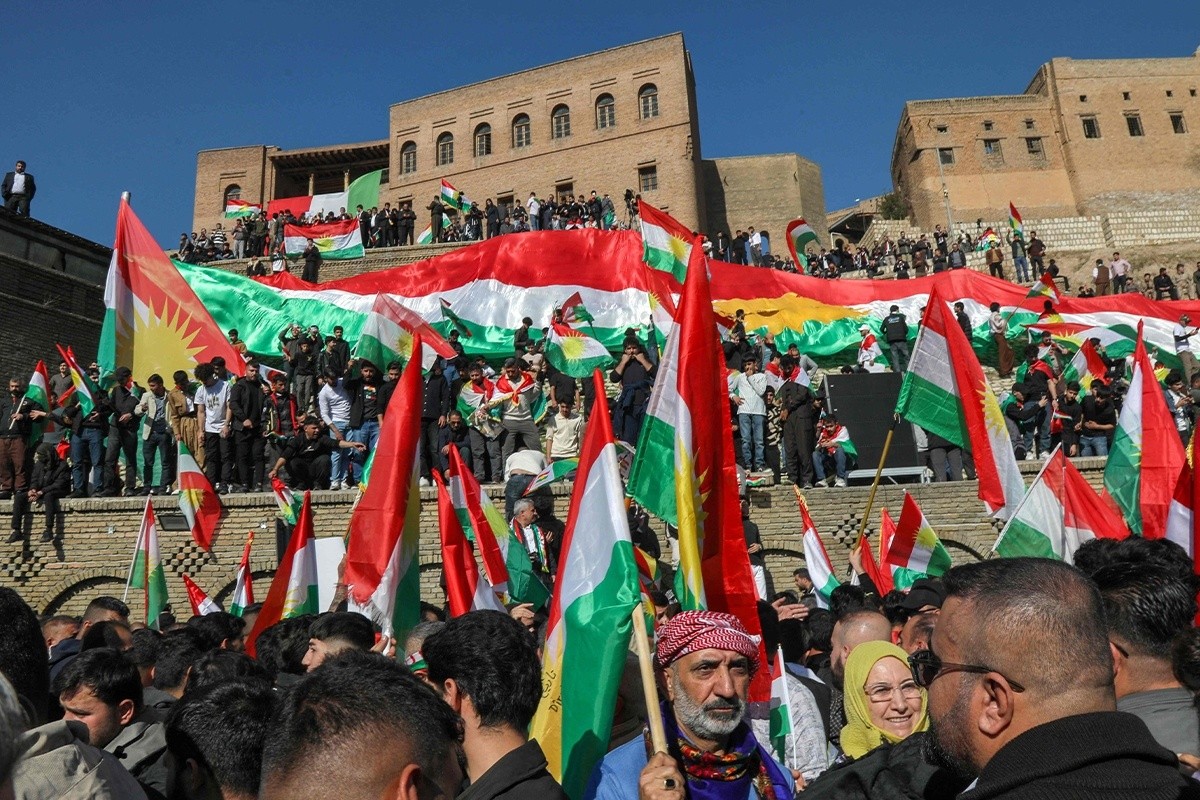
The Security Media Cell announced today, Friday, that the battle being waged is against smuggling, corruption, and the misappropriation of Iraq's wealth, and not against identity or affiliation. The cell explained that the Committee for Monitoring Racist, Sectarian, Ethnic, and National Content at the Office of the Commander-in-Chief of the Armed Forces monitors what is published and circulated through media outlets and social media platforms. This includes speeches and content containing insults to the Iraqi state and its constitutional, security, and military institutions, as well as material that could incite national and ethnic tensions and fuel hatred and division among the Iraqi people, especially those related to objections against government measures aimed at protecting national wealth and combating smuggling. The statement affirmed that freedom of opinion and expression is a constitutional right guaranteed under Article 38 of the Iraqi Constitution, but its exercise must be within the framework of the law and should not serve as a cover for insulting the state or its institutions or inciting hatred and discrimination. The Iraqi Penal Code No. (111) of 1969, as amended, addresses acts involving insults to public authorities, violation of national symbols, or incitement of tensions, including Articles (202) and (226), each according to its legal elements and subject to the discretion of the competent judicial authorities. The committee emphasized that protecting national wealth, combating smuggling, and safeguarding public funds is a sovereign and legal responsibility that does not target any specific component, ethnicity, or province, but rather stems from protecting the rights of all Iraqis, including the people of the Kurdistan Region, who are considered genuine partners in the homeland, its wealth, and its future. It pointed out that security and military institutions are national institutions representing all Iraqis, and that harming them or using ethnic or national rhetoric to insult them does not serve the national interest but threatens social peace and fuels divisions that everyone should work to avoid. The statement confirmed that the committee works in coordination with relevant authorities to monitor and document violating content and follow up on speeches that include incitement, insults, or discrimination, referring them to the concerned authorities to take the necessary legal actions against those proven to violate the law according to applicable legislation without selectivity or exception. The committee called on media outlets, elites, public figures, and social media users to prioritize national responsibility and avoid rhetoric that confuses disagreements over government measures with ethnic or national identity, stressing that criticism is a legitimate right, while incitement, insults, and fomenting hatred are not part of freedom of expression. The statement concluded by affirming that the battle is against smuggling, corruption, and the misappropriation of Iraq's wealth, not against identity or affiliation, and that protecting national wealth means protecting the rights of all Iraqis, with the rule of law being the guarantee of their unity and dignity.