
Eco
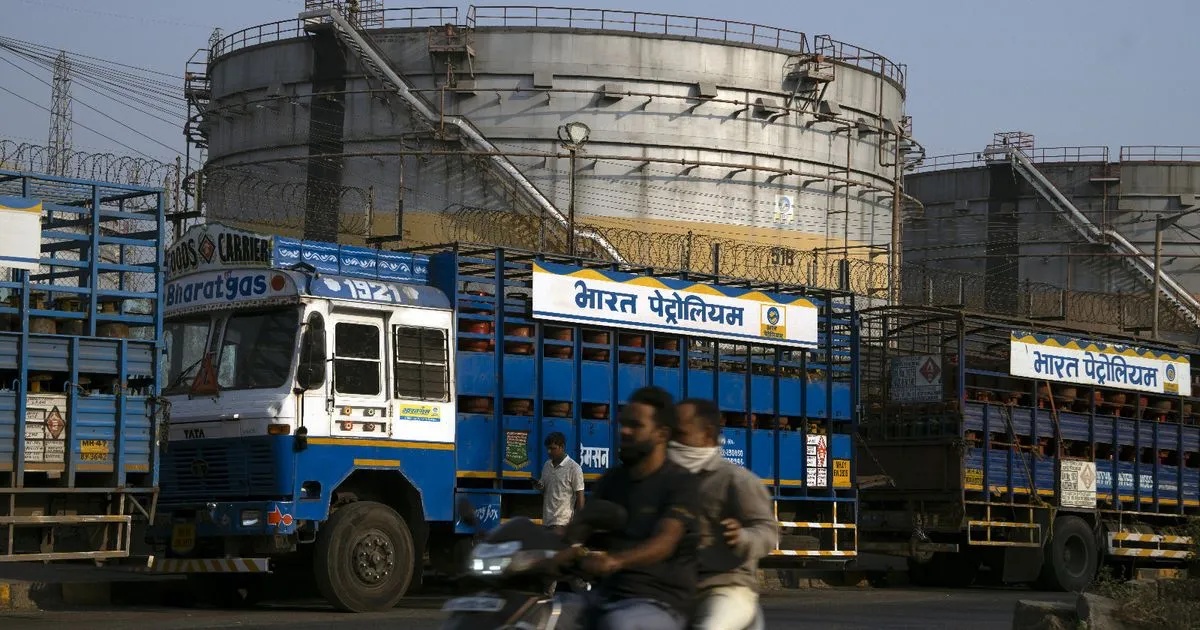
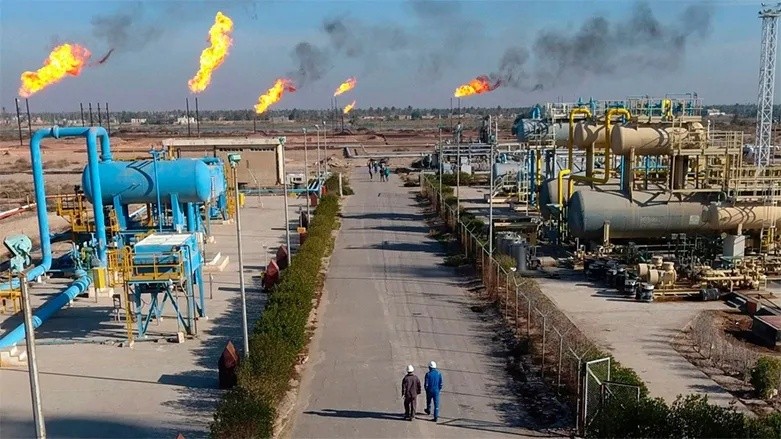
Despite the absence of a permanent peace agreement in the Arabian Gulf region, the Asian continent, a major energy consumer, has begun to draw crucial lessons from four months of tensions. These lessons clearly highlight the necessity of strengthening reserves, diversifying fossil fuel sources, and adopting a more efficient electricity mix. Following the signing of a provisional agreement between the United States and Iran last month, which contributed to reopening the Strait of Hormuz and easing the crisis, oil and natural gas flows have gradually returned to their normal course, and prices have seen a decline. Nevertheless, the repercussions of this historic shock are poised to have far-reaching effects, as policymakers are reordering energy priorities, particularly in Asia, which is one of the largest regions consuming imported oil and gas from the Middle East. In this context, India announced plans to build strategic reserves of crude oil, liquefied petroleum gas (LPG), and natural gas. Simultaneously, Indonesia and Malaysia are moving to increase the proportion of palm oil in their diesel mix, aiming to enhance energy security and reduce consumption. Japan, meanwhile, is upgrading its refineries to process different crude types from more diverse suppliers, while the shift towards renewable energy is gaining increasing momentum across most of the continent. Warren Patterson, head of commodity strategy at ING Groep in Singapore, suggests that the recent tensions in Iran served as a stark reminder that energy security remains a key vulnerability for Asia. He adds: "Governments should, and likely will, focus on diversifying energy supplies, building strategic reserves, and accelerating the energy transition, as resilience is tied to a more diverse system." Although the repercussions of this crisis extended globally, Asia quickly felt the impacts of disrupted energy flows following the initial strikes targeting Iran. Its proximity to oil and gas suppliers in the Gulf region, and its high reliance on imports, made it particularly vulnerable to the implications of a Hormuz closure. The crisis led to energy shortages extending from India and Pakistan to Australia as fuel supplies dwindled, before countries began searching for short-term alternative supplies to bridge the gap. In contrast, China was in a better position due to its large stockpiles and broader network of alternative energy sources; however, it was not entirely immune to the crisis, leading it later to impose restrictions on fuel exports. The crisis clearly demonstrated the extent of Japan's reliance on the Middle East for its energy needs, according to John Saito, a senior researcher at the Japan Center for Economic Research and former Director General of the Economic and Fiscal Administration at the Cabinet Office. Saito stated that Japan managed to buy time by drawing from its strategic oil reserves in coordination with other countries. He noted that this step "appears to have been reasonably successful, but it did not change the essence of the structural risks." Before the onset of the crisis, Japan imported approximately 90% of its oil from the Arabian Gulf region, with most of these imports passing through the Strait of Hormuz. In an effort to establish a more sustainable model, Tokyo is currently considering a government plan to upgrade its refining units to allow for the processing of crude from more geographically diverse regions, according to a report by Nikkei newspaper. The liquefied natural gas (LNG) market is witnessing similar movements, as buyers seek to enhance supply security by expanding their network of suppliers. Among these is India, which long relied on Qatar for LNG imports but has recently turned to other suppliers, including the United States and Oman, according to ship-tracking data from Bloomberg. In the context of diversifying Asia's energy supplies, Singapore and Thailand, both regular importers of LNG from the Middle East, are now also seeking long-term supplies from the United States, indicating their pursuit of rebalancing shipment sources. Other countries like Pakistan and Vietnam are exploring ways to reduce their overall reliance on this super-cooled fuel, either by utilizing domestic gas supplies or accelerating the deployment of renewable energy sources. Ivan Tan, an analyst at analytics firm ICIS, explains that the LNG market "absorbed the supply shock and rebalanced." He adds that "a repeat of a disruption of this magnitude seems unlikely, but it highlights the importance of each country having a robust mix of U.S. and Middle Eastern LNG." In Southeast Asia, Indonesia expedited the implementation of a diesel blend containing 50% biofuel extracted from its vast palm oil plantations. Faby Tumiwa, CEO of the Institute for Essential Services Reform, a Jakarta-based NGO, points out that "the idea is not just to reduce fossil fuel imports, but to go beyond that to reduce reliance on fossil fuels themselves." Tumiwa adds that "this trend effectively enhances energy security. The lesson Indonesia should learn is to avoid dependence on commodities highly susceptible to geopolitical circumstances and relations between nations." Beyond the energy sector, the crisis has left broader repercussions that will unfold slowly, including its potential impact on food markets, which represents an additional dilemma for Asian governments. The conflict contributed to shrinking fertilizer supplies and increasing their costs. While many Asian countries are working to formulate their responses to the crisis, China, the world's second-largest economy, appears to be more prepared in terms of available solutions. During the crisis, China reduced its oil imports, drew from its commercial reserves, and relied heavily on renewable energy after years of expanding its production capacities. In a press conference held last month, Wang Hongzhi, director of China's National Energy Administration, praised his country's ability to overcome the crisis, noting that international observers believed Beijing not only protected itself from the shock but also contributed to the stability of the global economy. Wang affirmed that "the global energy market experienced sharp fluctuations, with many countries facing varying energy shortages, rising oil prices, and tight supplies. However, our country's energy system withstood these impacts, maintaining an overall balance between supply and demand and price stability, reflecting strong resilience." Currently, energy flows through the Strait of Hormuz continue to recover, easing downward pressure on energy prices and providing governments an opportunity to reassess their options. However, Patterson from ING cautioned against complacency, stressing that "future disruptions in the Arabian Gulf cannot be ruled out, and a return to business as usual would be a grave mistake."