Eco
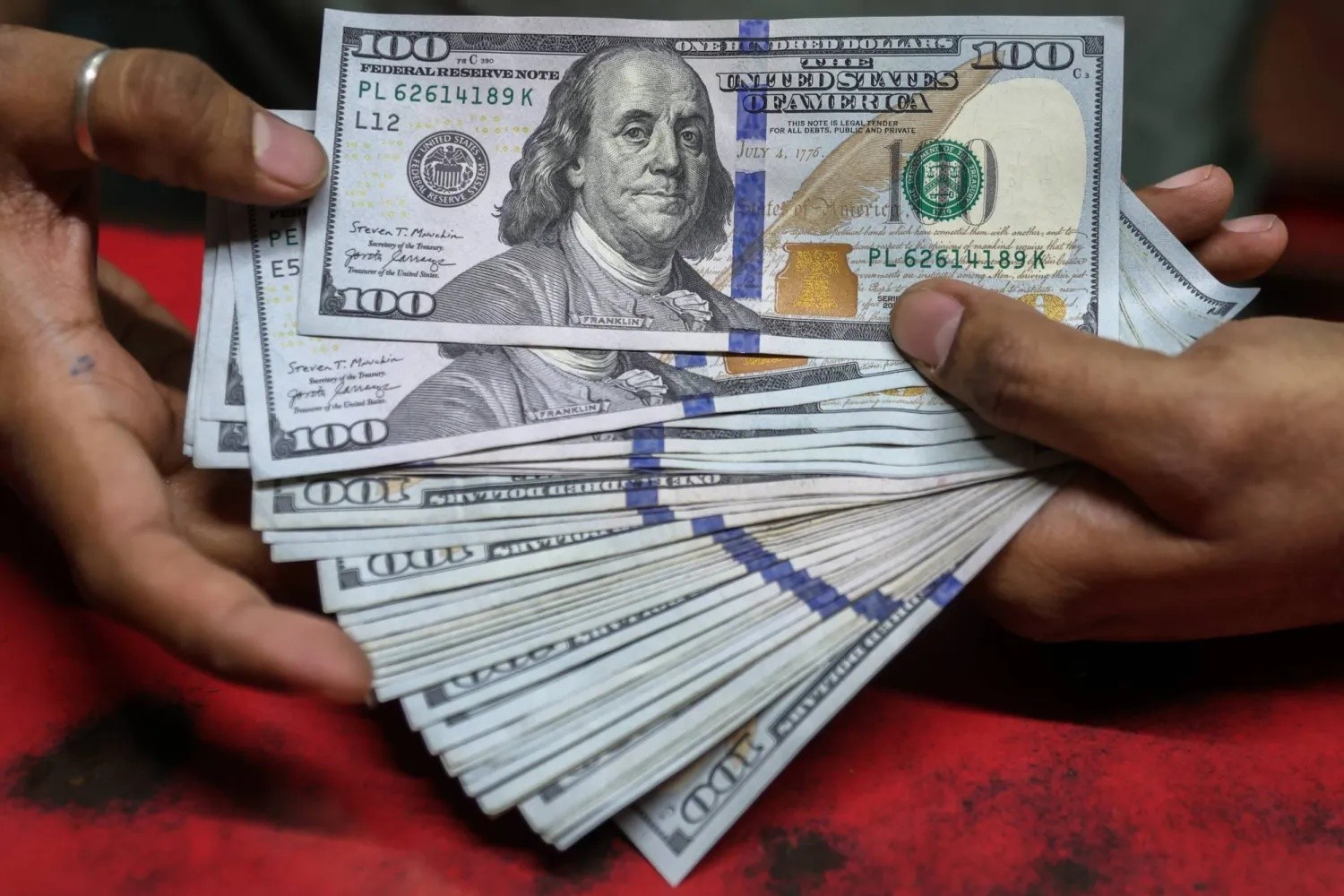
Prime Minister Ali Al-Zaidi confirmed that the government is working diligently to restore the dollar exchange rate to 155,000 dinars or lower. He explained in a televised interview that the mistake was not in the decision to raise the exchange rate, but rather in the previous decision to lower it, noting that the reduction was not a correct decision from the start. He pointed out that the financial gap related to exchange rate measures approaches 60 trillion dinars. He affirmed that citizens were not obtaining dollars at 132,000 dinars per 100 dollars when the official rate was at that level, but were instead buying them in the market at around 158,000 to 160,000 dinars. He added that the situation was similar in previous years, and when the rate was lowered from 145,000 dinars to 132,000 dinars, the benefit did not reach the citizen but went to market speculators. He clarified that the previous government relied on estimates from some specialists who provided inaccurate judgments, leading to decisions that did not achieve the desired results. He noted that some specialists may treat economic wishes as facts and present them to the prime minister, who trusts their opinions and makes decisions accordingly, after which the government bears the consequences of those errors. He confirmed his thorough knowledge of the economic file and its mechanisms, and that the government is quietly working to address the gap between the official rate and the market rate. He added that the dollar rate may return in the upcoming period to 155,000 dinars per 100 dollars or less, God willing. Regarding mechanisms to reduce the dollar price in the market, he said the government is working to increase the amounts of cash dollars entering Iraq, which helps narrow the gap between the official and parallel market rates. He pointed out that the dollar rate could have reached 152,000 dinars per 100 dollars if not for current regional circumstances, explaining that the US Federal Reserve has concerns about supplying Iraq with large amounts of cash dollars. He explained that these concerns relate to US perceptions about the possibility of some cash dollars reaching factions and being used in prohibited activities. He added that the geographical distance between Iraq and the United States sometimes creates a misunderstanding of the Iraqi reality, as some US officials believe factions will control and misuse cash, which is an incorrect assumption. He indicated that the government has repeatedly clarified the internal situation to the US side, but some concerns remain. He noted that the US side continues to send cash dollars to Iraq after having stopped before the current government took office. He added that he began his term on May 17, and upon reviewing data found that cash dollar supplies had been halted for months. He continued that the government held talks with the US side to resume sending cash dollars, starting with about 140 million dollars monthly, clarifying that this amount was insufficient to meet market needs. He confirmed that negotiations resulted in increasing amounts to half a billion dollars monthly, and efforts are underway to raise it to one billion dollars. He pointed out that the government seeks to obtain more than one billion dollars and aims for some shipments to reach two and a half billion dollars to inject into the market and close the gap between the two rates. He added that current regional events have affected the speed of addressing the gap, expressing hope that it will end in the near future. Regarding the economic impact of raising the exchange rate, he confirmed that a higher dollar rate against the dinar can support local industrial and agricultural sectors by enhancing the competitiveness of Iraqi products.