

Eco
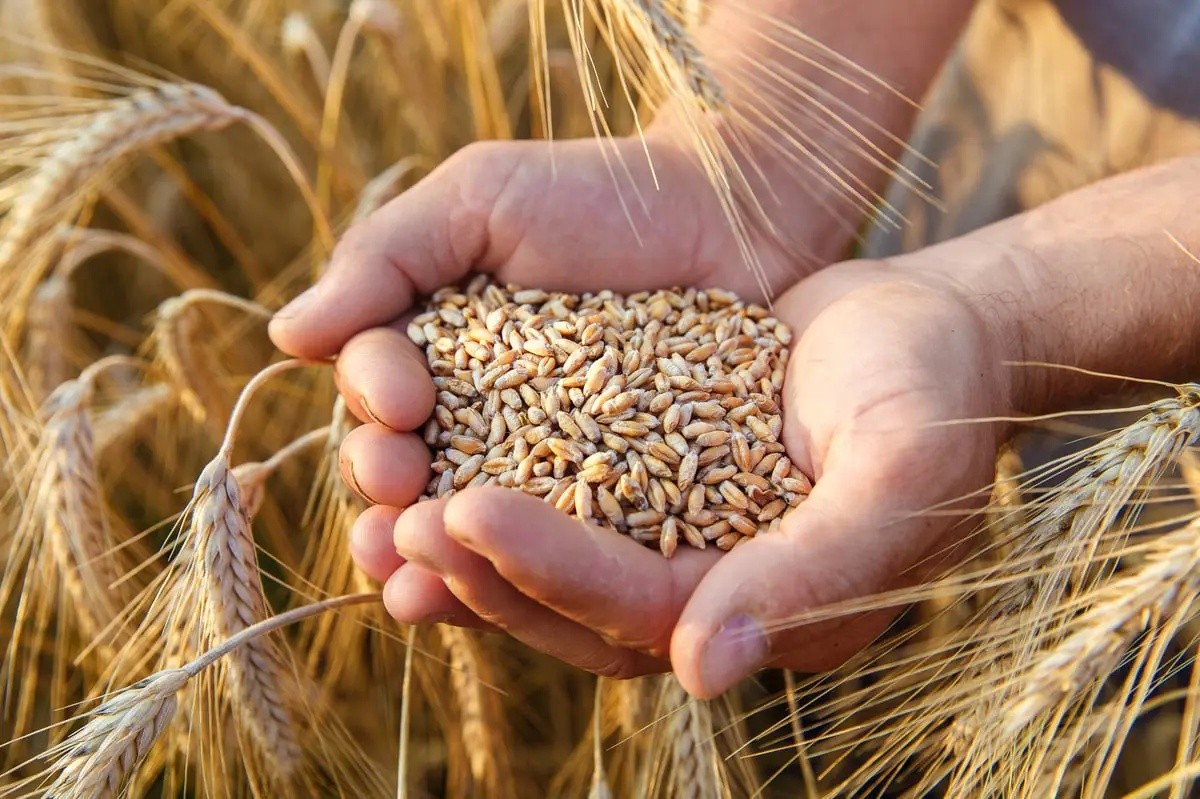
The Ministry of Planning announced on Monday that Iraq has achieved high levels of self-sufficiency in the production of wheat, dates, and potatoes during 2023, while noting a sharp decline in sorghum production. The ministry's statement indicated that the self-sufficiency rate for wheat reached 99.5%, dates achieved 178.5% with a surplus exceeding 329,800 tons, and potatoes reached 97% self-sufficiency. Tomato production increased by 75.4% to 534,800 tons, with self-sufficiency in chicken meat at 82.2% compared to 58% for table eggs. The statement highlighted that sorghum production dropped significantly from 265,900 tons in 2017 to 12,600 tons in 2023, a decline exceeding 95%, with self-sufficiency falling to 0.6% and an import gap exceeding 2.06 million tons. This decline was attributed to water scarcity and reduced agricultural plans, leading to decreased cultivated areas for sorghum, which heavily depends on water availability during growth stages. The statement confirmed that sorghum, used to produce rice, is an important food crop in Iraq, especially the Amber and common rice varieties consumed locally, with plans by the Ministry of Agriculture to expand planting areas in 2024 and lift restrictions on its cultivation as a strategic crop by June 2026. Regarding dates, data from the Food and Agriculture Organization (FAO) showed Iraq ranked fourth globally in date production in 2023. The ministry noted that Iraq's date exports ranged between 300,000 and 350,000 tons, with producers and exporters targeting regional and other international markets benefiting from the demand for Iraqi varieties. For other crops, the report indicated continued reliance on imports to meet part of the needs, with self-sufficiency rates at 15.2% for sesame, 16.7% for dry broad beans, and 41.8% for citrus fruits.