Global
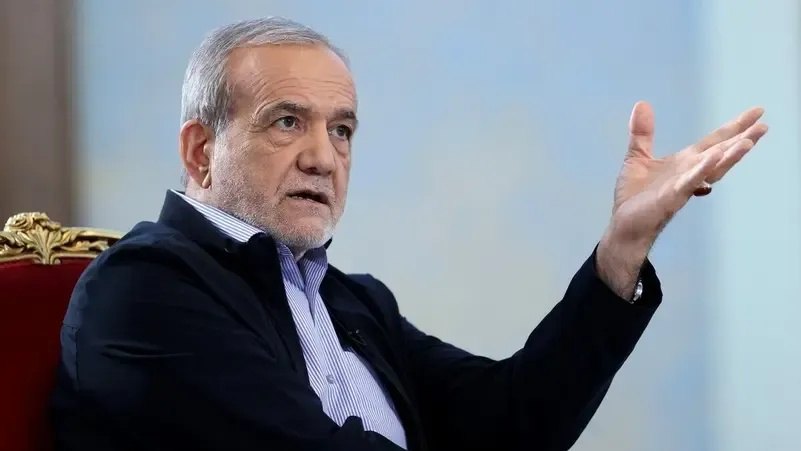
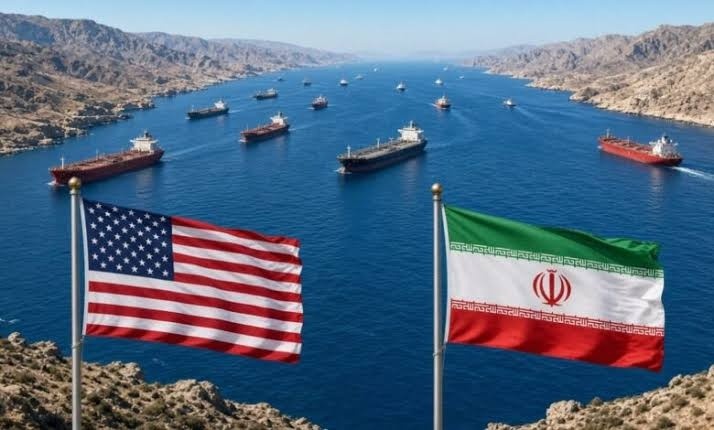
Iranian President Masoud Pezeshkian affirmed that maintaining industrial production is a top government priority amid the country's escalating energy crisis. He emphasized managing water, electricity, gas, and fuel consumption to ensure continuous industrial activity, stating: "If necessary, cut off electricity to the government, not to industries." These remarks came Saturday during the virtual inauguration of a bridge and tunnel complex project in Isfahan. Pezeshkian announced the government would manage winter energy consumption, vowing not to halt production. He reiterated: "Cut off electricity to the government, but not to industries," stressing that energy management must originate from state institutions. The President detailed government plans for several measures to reduce energy imbalance this winter. These include merging activities, expanding remote work, and regulating use of some government buildings and offices. The aim is to redirect saved energy to production and industrial sectors until peak consumption passes. Pezeshkian also underscored that the government would manage resource consumption while preserving production continuity, deeming unity and cohesion essential for addressing national challenges. He added that government efforts focused on fostering unity and supporting development. These statements coincide with mounting pressure on Iran's energy sector, stemming from severe US sanctions and foreign trade restrictions. These limitations impede the nation's ability to attract investments and acquire necessary technologies and equipment for energy infrastructure development. Declining revenues and restricted fuel imports have further intensified economic pressures, compounded by domestic issues like high consumption and aging power grids and stations. Recently, long queues formed at Iranian fuel stations after the government announced a rationing plan that lowered quotas in effect for years. Fuel prices in Iran, a major global oil producer, are among the world's lowest. Notably, Iran had virtually curtailed access to the Strait of Hormuz, through which about a fifth of global oil and liquefied gas production passes, following what was described as "war" with US-Israeli strikes on it in late February. Subsequently, the United States imposed a blockade on Iranian ports.