Eco
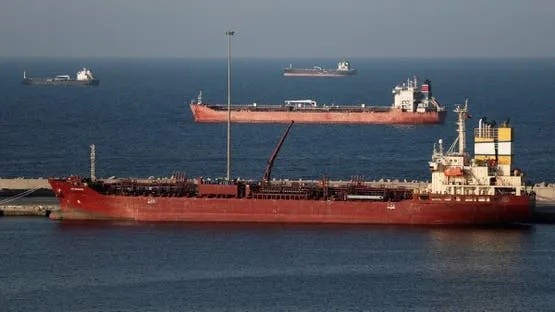
Oil prices rose on Monday following US President Donald Trump's rejection of an Iranian peace proposal aimed at resolving the dispute between the two countries and reopening the Strait of Hormuz, contributing to ongoing tensions in the Middle East. By 04:05 GMT, Brent crude futures increased by $2.75, or 2.64%, to $107.07 per barrel, while US West Texas Intermediate (WTI) crude rose by $1.73, or 1.87%, to $94.14 per barrel. Iran had announced the peace proposal last week during the UN General Assembly in New York, stating it had been conveyed to the Americans via Qatari mediators. For his part, President Trump confirmed on Saturday his rejection of the plan, though he indicated in a phone interview last Sunday that he expects further US negotiations this week. Despite Brent crude prices rising by 0.4% last week, WTI crude fell by 7.9% amid concerns that the United States might ban diesel exports to alleviate record prices, which could restrict American refining products. Analysts at ANZ Bank explained that refined oil products continue to be a pressure point, as record diesel prices in the United States exacerbate inflation risks and spark renewed debate about potential export restrictions. They added that any restrictions on US diesel exports would lead to a contraction in supply outside the United States, impacting European prices due to the potential decrease in American supply. Concurrently, preliminary data released on Monday by Kpler indicated a rebound in crude oil exports from major Middle Eastern producers in September, reaching 12.8 million barrels per day. This marks the highest level since the war began in February, supported by increased exports from Saudi Arabia and the UAE. This recovery is attributed to the improved flow of shipments through the Strait of Hormuz, which data estimated would reach approximately 7.4 million barrels per day this month.