

Technology
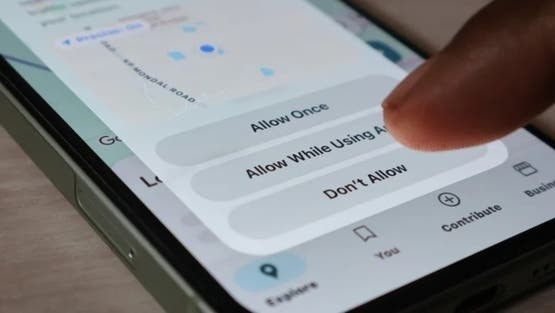
Smartphones are continuously targeted by annoying calls, which may come from marketing companies offering unsolicited deals, organizations requesting donations for political causes, or scammers impersonating technical support staff to convince users of computer viruses or to purchase fake warranties. Although some calls may seem harmless, scammers exploit them to steal money and personal data, with many users, especially the elderly, falling victim to these tactics. Estimates from the Consumer Federation of America indicate that annual losses from online scams reach approximately $119 billion. How do scammers and marketing firms obtain phone numbers? In some cases, it is due to company database breaches, while in others, users unknowingly share their information without understanding the consequences. Database breaches and data leaks are among the primary methods used to acquire phone numbers and personal information. For example, downloading apps like shopping or food delivery requires entering email, phone number, and password, and if the company suffers a cyberattack, this data becomes accessible to attackers. The 2021 breach of Domino's resulted in the leak of about 13 terabytes of user data, including personal information sold on hacking forums. Risks are not limited to food delivery apps but extend to e-commerce sites, service platforms, and websites requiring account creation. Users have no direct control over the security measures companies use to protect their data, and these systems may be insufficient to prevent breaches. Measures to reduce risks include visiting the Have I Been Pwned website to check if an email has been part of known breaches, removing personal information from public social media profiles, and registering on the Federal Trade Commission's Do Not Call Registry to opt out of marketing calls. Blocking annoying numbers directly on phones is also possible on both iPhone and Android devices. Data broker companies collect personal information such as phone numbers and addresses, using it to build profiles and sell to other parties. Some apps request unnecessary permissions like access to phone numbers or other personal data, which users sometimes grant without scrutiny. This data may be shared with third parties according to privacy policies and combined with other data to create detailed profiles sold to marketing companies. Reviewing app permissions and denying access to unnecessary information is important. Some companies have gone further, such as Response Tree LLC, which settled a lawsuit related to collecting phone numbers and selling them to marketing firms promoting fake warranties and car parts. Job seekers share extensive personal data in applications, which is valuable to data collection firms. Some job applications allow sharing data with marketing partners, which may reach fraudulent entities. Caution is advised when filling out applications, avoiding sharing unnecessary information or dealing with untrustworthy entities. Similar risks apply to contests and promotional offers that may transfer participant data to third parties without clear consent. Reading terms and conditions carefully before registering for any offer or contest is recommended. Built-in phone system tools can help block unwanted calls. On Android phones, features like Caller ID and Spam Protection help identify and filter nuisance calls. On iPhones, users can enable silencing of calls from unknown numbers or use the Call Screening feature in iOS 26, which answers unknown calls with an automated voice to identify the caller before the user decides to answer. These measures assist users in reducing exposure to unwanted calls and protecting their personal data.