
Technology
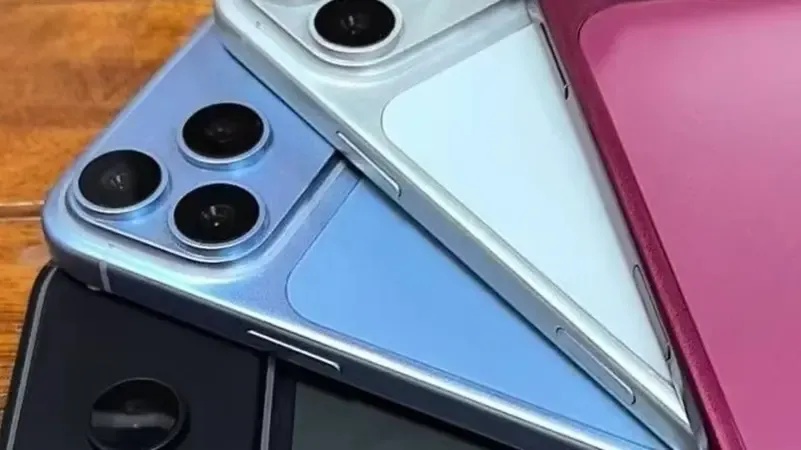
A recent leak concerning the iPhone 18 Pro battery has sparked widespread questions regarding Apple's strategy for enhancing battery life, especially amid intense competition from Chinese companies launching phones with capacities exceeding 7000 mAh. The latest leaks suggest the US market version of the iPhone 18 Pro will feature a 4288 mAh battery, a mere 36 mAh increase from the previous generation. The Chinese market version, retaining the traditional SIM card slot, is expected to receive a 4056 mAh battery, marking a 68 mAh increase over the iPhone 17 Pro, according to a specialized report. These figures emerge as reports indicate Apple may focus this year solely on professional-grade phones, introducing "Pro" models alongside an entirely new "Ultra" phone, while the base iPhone 18's release might be postponed to next year. Given this high-end focus, many users anticipated significant improvements, particularly in battery life; however, the leaked numbers do not suggest a real leap in this area. The device is anticipated to feature TSMC's new 2nm A20 Pro processor, coupled with Apple's proprietary C2 modem. Apple typically enhances power efficiency through its processor, OS, and modem, rather than significant battery enlargement. This strategy has consistently allowed iPhones to deliver robust battery performance despite possessing smaller capacities than rivals. **Growing Competition Challenges** Critics of Apple's strategy argue this approach is no longer sufficient in today's smartphone market. While most iPhones still offer battery capacities between 4000 and 4500 mAh, capacities exceeding 6000 and 7000 mAh are now common in many Chinese phones. Companies like OnePlus and Honor provide devices with massive batteries, with some recent models reaching over 10000 mAh. **Advanced Battery Technologies** Observers attribute competitors' superiority partly to their use of silicon-carbon batteries, a technology offering higher energy density than the traditional lithium-ion batteries currently in iPhones. This tech allows for increased battery capacity without physically enlarging the battery or increasing phone thickness, giving companies greater design flexibility. Though not new—it's been used in several smartphones for years—Apple has yet to officially adopt it. **Prospects for Future Change** Recent reports indicate Apple is actively developing silicon-carbon batteries, potentially allowing significant increases in iPhone battery capacities in future years. However, Apple's cautious history with new technologies suggests immediate massive leaps are unlikely. Analysts predict Apple might aim for around 6000 mAh batteries in future generations. Though still below some rivals, this could provide exceptional battery life when paired with Apple's efficient processors and iOS optimizations. Despite criticism regarding capacity, recent iPhones have shown software efficiency remains a key strength. Yet, the persistent large disparity in figures between Apple and its competitors might compel more users to demand a different approach in the coming years.