
Local
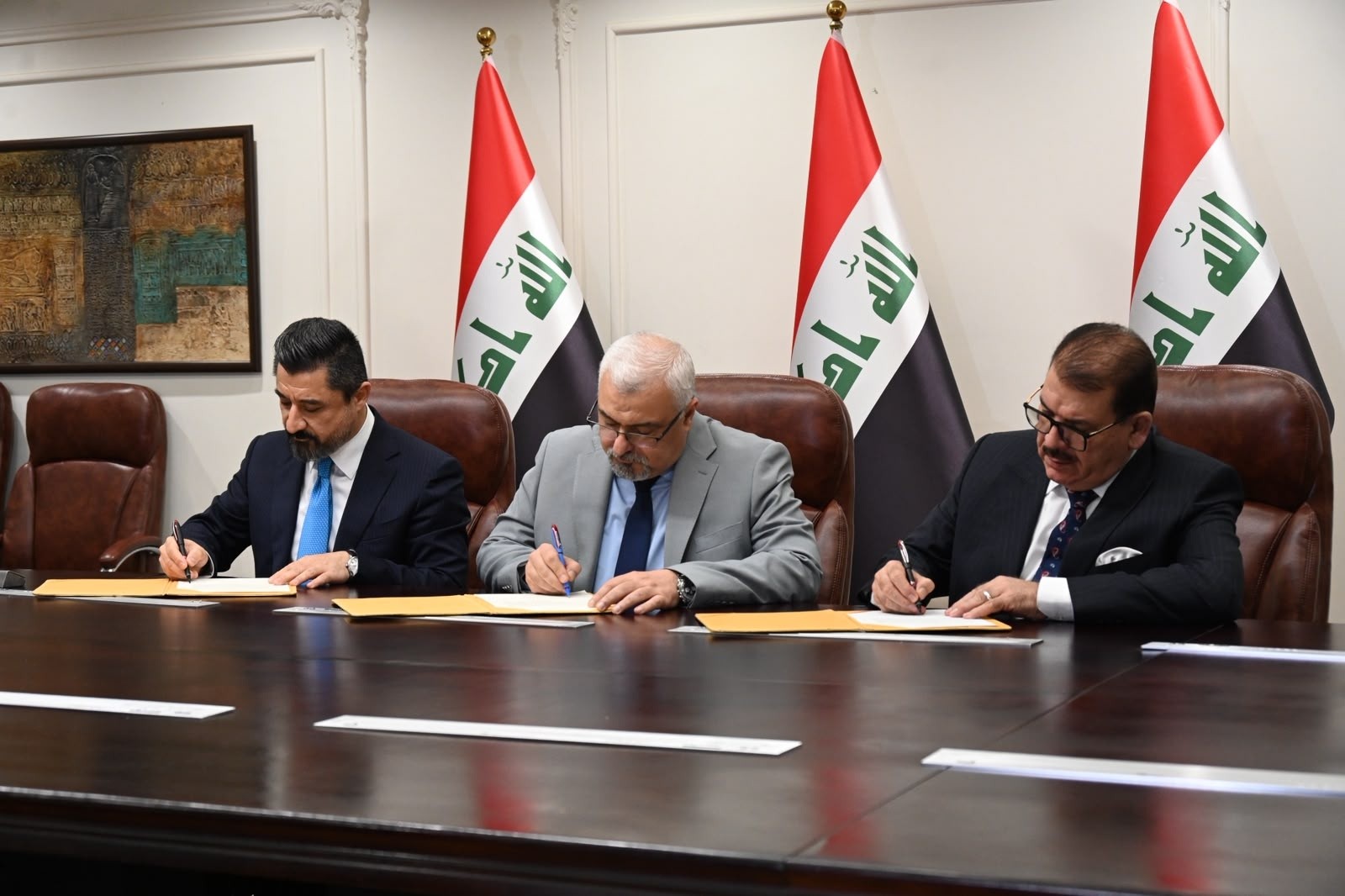
The Ministry of Justice announced today the signing of an agreement with the Ministries of Education and Higher Education to establish educational centers and classrooms within prisons, emphasizing that education is a human right that should not be revoked due to punishment or deprivation of freedom. Justice Minister Khalid Shwani stated in a press conference that the joint meeting between the Ministries of Justice, Education, and Higher Education and Scientific Research reflects a shared national responsibility and a firm belief that education, reform, and safeguarding human dignity are fundamental pillars for building a safe and stable society. He added that the meeting aims to strengthen cooperation among these ministries to provide educational opportunities for inmates and detainees in the correctional departments affiliated with the Iraqi Correctional Directorate and the Juvenile Correction Directorate, enabling them to continue their learning, develop their skills, and prepare for reintegration into society and positive participation. He explained that education is an inherent human right, and deprivation of freedom should not close the doors to knowledge or hinder future building. The reformative mission combines the enforcement of sentences with the preservation of human dignity and extends to educational and social rehabilitation, enhancing the individual's ability to assume responsibility and build a stable life within the framework of the law. He pointed out that investing in inmates' education has a ripple effect on their families and communities, as knowledge and skills open broader opportunities for work and responsibility and enhance their ability to make more informed decisions about their futures. The cooperation represents a partnership in human development and enhancing community security and stability, with its success linked to providing continuous educational opportunities, skill acquisition, and better preparedness for life after the end of detention or sentence. He noted that the Ministry of Education agreed to open examination centers and classrooms within prisons, establish intermediate schools, and provide accelerated education in juvenile centers for both males and females. There is an aspiration to translate these outcomes into regular educational opportunities by following up on implementation requirements, providing suitable study environments and examination facilities, and enabling beneficiaries to continue their academic pursuits. He highlighted that juvenile detainees receive special care due to their age and their comprehensive educational, psychological, and social needs. Their education and rehabilitation are responsibilities linked to protecting their future, boosting their self-confidence, and preparing them for positive societal integration in line with children's rights and principles of care and reform. Success in this path requires integrated roles of the concerned ministries, clear responsibilities, and ongoing coordination. The Ministry of Justice works to prepare a suitable reform environment to host educational programs, facilitate coordination with educational and academic bodies, and address administrative and logistical obstacles while considering security and order requirements within correctional institutions to enable continuous study. The Ministry of Education aims to expand opportunities for school education, literacy, and accelerated learning, providing the necessary educational and examination requirements to enable inmates and detainees to resume and complete their educational journey according to their levels. Meanwhile, the Ministry of Higher Education and Scientific Research seeks to facilitate opportunities for completing university studies under applicable regulations and instructions, utilizing academic expertise to support rehabilitation, guidance, and skill development programs, thereby enhancing universities' contribution to community service. Minister Shwani affirmed that their responsibility requires direct follow-up on this file, working to overcome obstacles and strengthen coordination among relevant bodies to achieve tangible results. He concluded by expressing appreciation for all educational, teaching, and correctional staff contributing to the success of this initiative, emphasizing the commitment to continue joint work within each party's scope to achieve objectives, uphold the rule of law and human dignity, and make education a path to reform and building a safer, more just, and stable society.