
Eco
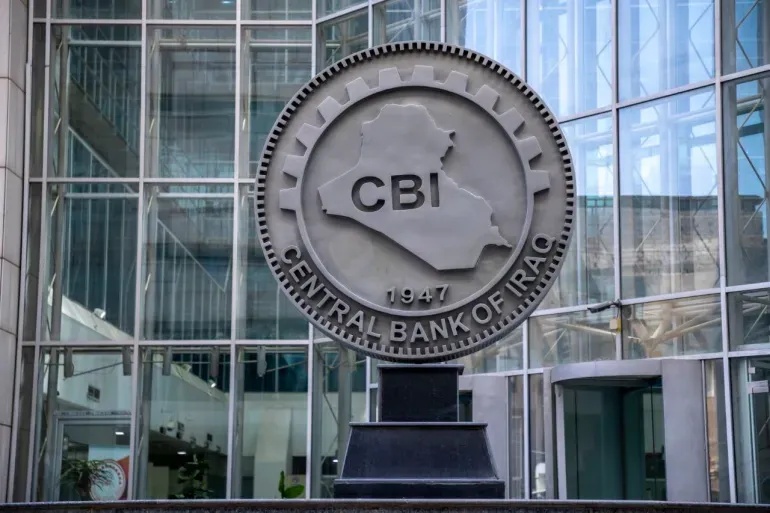
The Central Bank of Iraq affirmed on Sunday the legal prohibition of printing currency to finance expenditures, stating it does not reflect the nature of ongoing operations. The bank clarified a fundamental and important difference between discounting treasury bills and currency printing from both technical and economic standpoints. In a statement, the bank explained, in response to circulating information about currency printing and public expenditure financing, that discounting treasury bills provides temporary financial liquidity against an existing government debt instrument, which is recovered upon its maturity. It asserted this is an internationally recognized financial mechanism, practiced by major central banks with strict adherence to maturity dates. As for currency printing, the bank clarified it is the issuance of new money without a counterpart, directly injected into the economy, leading to immediate inflation and erosion of currency value. It further explained that this process is unrecoverable, constitutes a permanent monetary burden, and is strictly prohibited by Law No. (56) of 2004 concerning the Central Bank of Iraq. Consequently, describing current operations as "currency printing" does not reflect their true technical and financial nature. The bank reaffirmed that its primary role is to manage monetary policy, maintain monetary stability, price stability, and the integrity of the financial system, rather than serving as a permanent channel for financing public expenditures. It indicated that the use of financial and monetary tools in exceptional circumstances is conducted in a disciplined manner, as required by national economic needs, with full commitment not to transform financial pressures into permanent monetary expansion or inflationary pressures that harm citizens' purchasing power. The Central Bank of Iraq emphasized that cash management adheres to precise and strict controls within the legal framework, and any operations it undertakes are continuously evaluated for their impact to ensure they do not negatively affect the established monetary policy objectives. It further explained that current circumstances highlight the importance of adopting long-term fiscal policies aimed at building sufficient safety margins and financial buffers to face economic shocks and volatile oil cycles. This is achieved through economic diversification, revenue sources, and efficient public debt management to reduce the impact of future crises and maintain comprehensive economic stability. Commenting on economic news reported by media outlets, the Central Bank confirmed its continued strategy to support the Iraqi Dinar and maintain monetary and economic stability. It considered that selectively highlighting parts of the bank's routine procedures in this area and portraying them as dangerous actions is inaccurate. The Central Bank urged caution and accuracy when addressing these topics, especially those related to the local currency, its management mechanisms, issuance, and preservation of its value. It reiterated that its daily procedures for currency management are in full harmony with the bank's ultimate goal of maintaining financial and economic stability.