policy
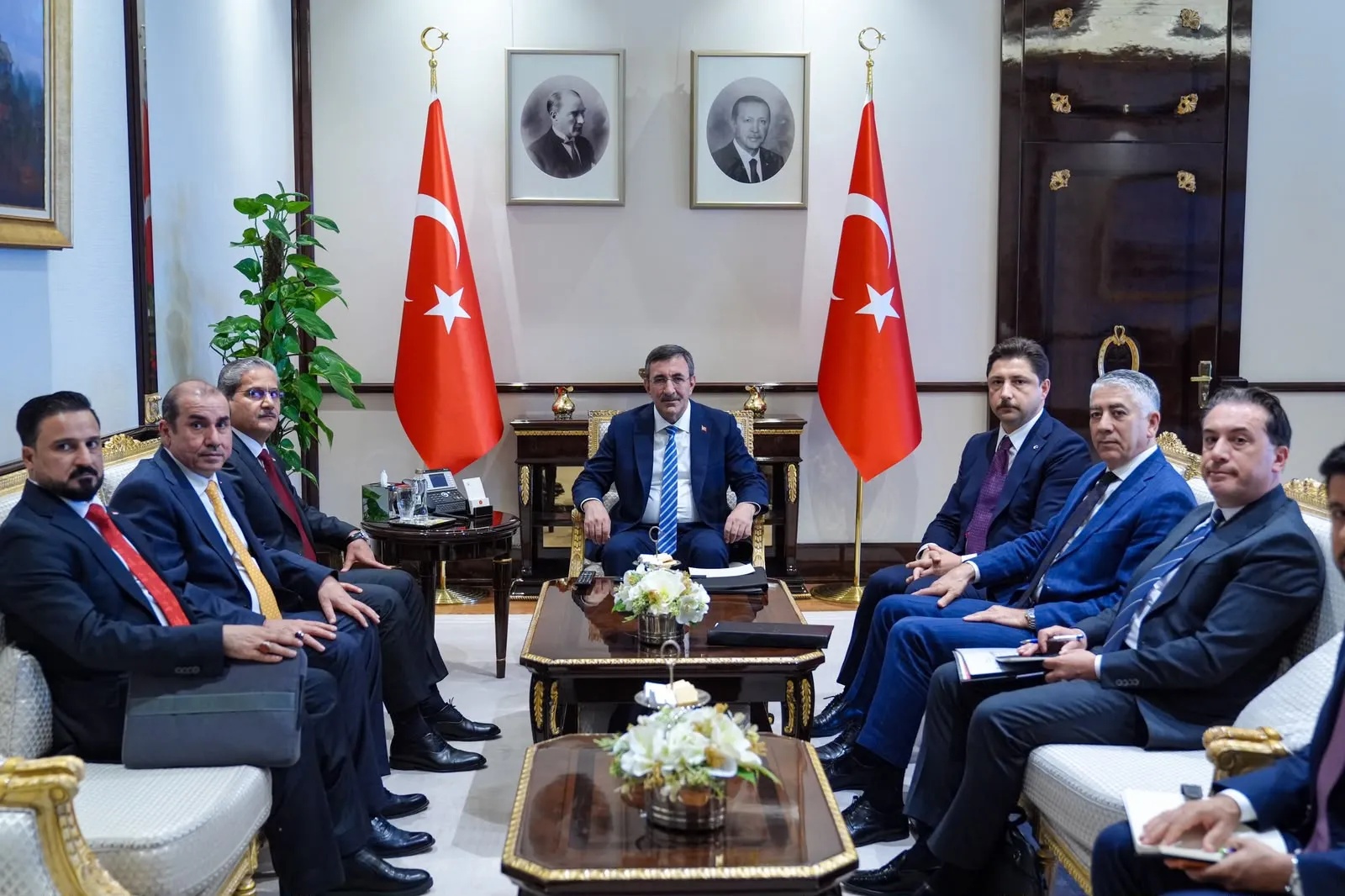
Iraq's Federal Integrity Commission announced understandings with Turkey aimed at accelerating the enforcement of Iraqi judicial rulings, the extradition of wanted individuals, and the recovery of corruption proceeds. This announcement was made on Thursday by the head of the Commission, Mohammed Ali Al-Lami. A statement issued by the Commission reported that its head visited the Republic of Turkey, where he met with Turkish Vice President Cevdet Yilmaz and other officials from the Ministry of Justice. Al-Lami affirmed that this visit to Ankara represents an extension and culmination of the strategic understandings established by Iraqi Prime Minister Ali Al-Zaidi and his accompanying delegation, along with high-level coordination with Turkish President Recep Tayyip Erdoğan. Al-Lami emphasized that Iraq and Turkey are moving towards translating the supreme political will between the two countries into decisive procedural steps in the files of justice and the recovery of funds and assets. He stressed that the joint cooperation represents a practical path to prosecute perpetrators of corruption and reclaim the Iraqi people's money. He also indicated that the Commission is actively working to translate these understandings into practical and decisive measures in related files. The Commission head highly praised the directives of the Turkish President to expedite the implementation of joint understandings, affirming that there is no safe haven for stolen funds or those wanted by justice, given the sincere will of the two neighboring countries. He stressed that the pursuit of corrupt individuals and the recovery of funds obtained from corruption crimes should not stop at national borders. Al-Lami clarified that his discussions with the Turkish Vice President and officials in the Ministry of Justice, attended by the Iraqi Ambassador in Ankara, Majid Al-Lajmawi, and several members of the Iraqi diplomatic mission, focused on establishing concrete understandings and contact points to facilitate and accelerate the implementation of Iraqi judicial rulings concerning the recovery of funds from those accused and convicted in corruption cases present on Turkish soil. He confirmed that the Commission brought with it to Ankara complete recovery files and seeks, in cooperation with the Turkish side, to move them to the execution phase. He added that the discussions also covered the institutionalization of cooperation between the two sides and the establishment of direct communication channels between the Iraqi Integrity Commission and its counterpart bodies in Turkey. This aims to overcome obstacles and resolve mutual cases in record time, transforming bilateral cooperation from general understandings into sustainable executive mechanisms. Al-Lami affirmed that drying up the sources of corruption and prosecuting its perpetrators does not stop at national borders, pointing out that Iraqi-Turkish cooperation offers a distinguished regional model that proves the hand of justice is stronger than attempts to hide and smuggle money, and that the integration of efforts between the two countries is capable of narrowing the spaces for wanted individuals and funds obtained from corruption crimes. He concluded by indicating that protecting trade, investment, and development, agreed upon by the two countries, requires a secure and clean environment free from corruption. He reiterated that reclaiming the Iraqi people's money constitutes an essential part of supporting reconstruction efforts and strengthening the economic partnership between Baghdad and Ankara.