Security
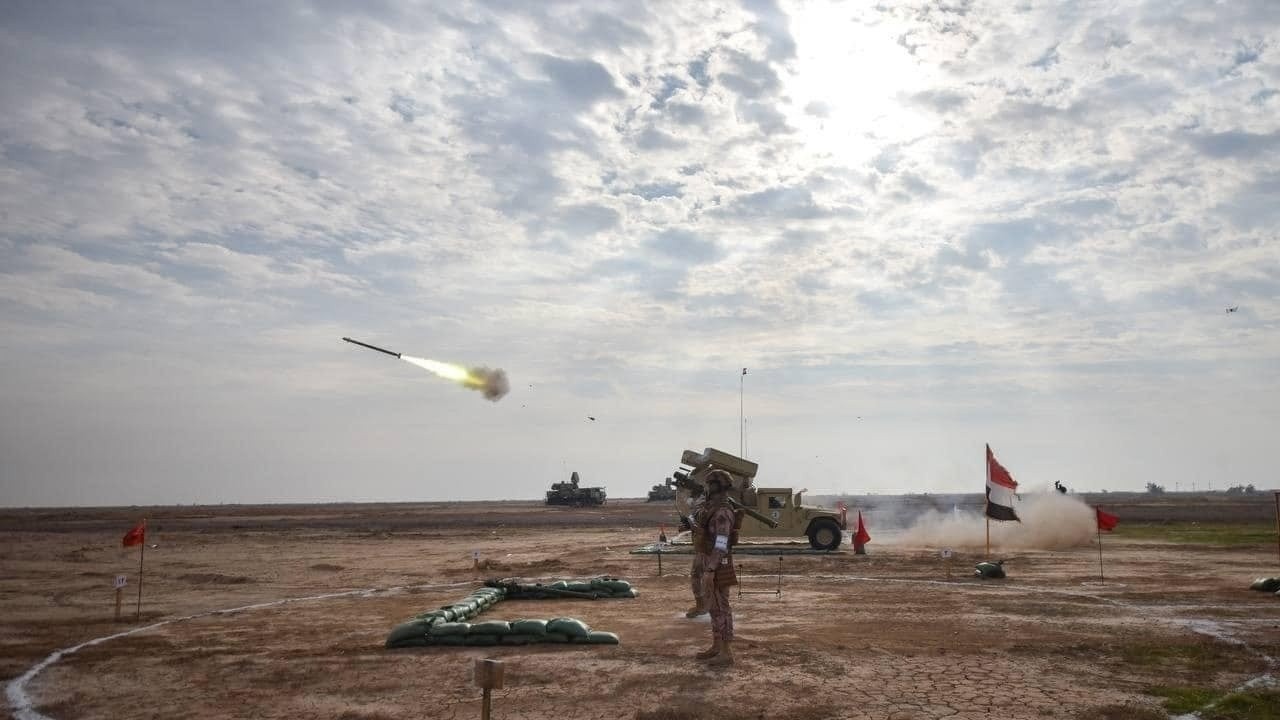
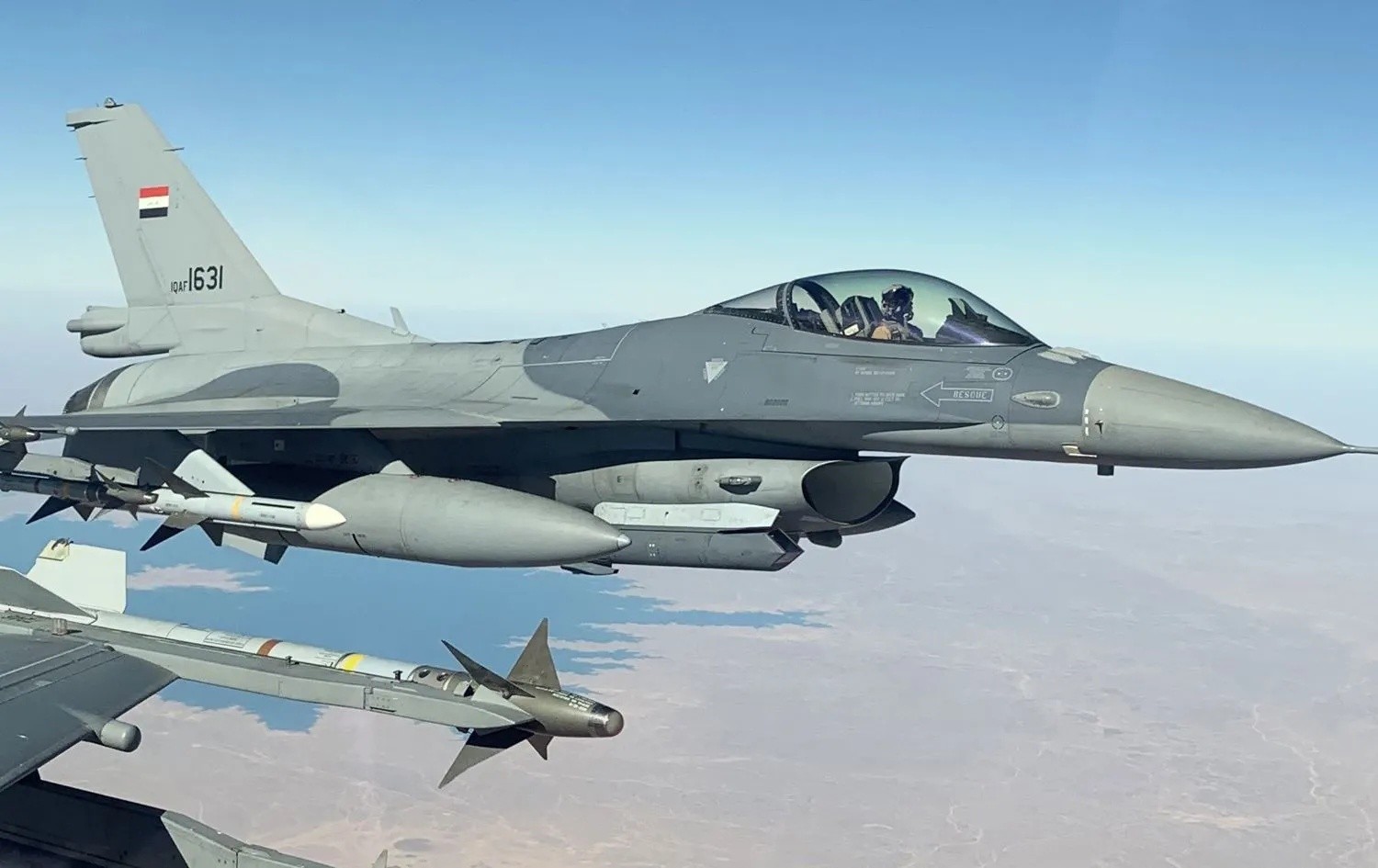
The Iraqi government is accelerating its plans to complete and modernize its air defense system, aiming for readiness within three years, a significant reduction from the original six-year timeline. This directive comes amidst preparations to conclude the international coalition's military presence in Iraq and to fully assert national sovereignty over Iraqi airspace. Spokesperson for the Commander-in-Chief of the Armed Forces, Sabah al-Nu'man, affirmed that "expediting the completion and modernization of the Iraqi air defense system, with a specified timeframe of three years, represents a supreme strategic priority dictated by national security requirements and the rapid regional developments." Al-Nu'man emphasized that "protecting Iraq's skies and securing its airspace is no longer a deferred option, but rather the fundamental pillar for the state's strength and the imposition of its complete sovereignty." Al-Nu'man added that "the transition towards an integrated air defense system equipped with the latest surveillance and early warning technologies will provide Iraqi military formations with a field advantage in tracking hostile targets and immediately responding to unconventional threats, particularly drones and missile attacks at various altitudes. This will bridge armament gaps and ensure comprehensive coverage of national airspace." He clarified that "this path is not limited to enhancing military capabilities but also extends to fortifying the state's strategic infrastructure and economic foundations, including oil installations, airports, military bases, and command and control centers. It will act as a safety valve for economic stability, ensuring continuity of institutional operations without targeting or threats." Al-Nu'man noted that "commitment to completing the air defense system development project within the specified three-year period will enhance the self-combat readiness of the Iraqi Armed Forces, solidify the foundations of full sovereignty, and eliminate the need for any external security arrangements to protect Iraqi airspace." He stressed that "managing national airspace with purely Iraqi hands and capabilities represents the practical embodiment of military independence and autonomous sovereign decision-making." He also affirmed that "possessing an effective and deterrent air defense system constitutes a fortified wall that prevents the use of Iraqi airspace as a transit route or a theater for confrontations and military operations between regional and international parties, thereby shielding the country from conflicts and protecting its internal security." For his part, the spokesperson for the Ministry of Defense, Major General Yahya Rasool, explained that "the Ministry is working to complete the air defense system," indicating that the Commander-in-Chief of the Armed Forces, Ali Falih Al-Zaidi, directed the acceleration of the system's development plan to three years. Rasool added that "the Armed Forces possess five command structures: ground forces, naval forces, air force, air defense, and army aviation, and that the system must be completed and operate in a balanced manner." He explained that "the Air Force and Army Aviation possess good capabilities, and the Ministry is working to complete these capabilities." He noted that the Chief of Staff of the Army had presented a study extending over six years according to the allocated budget, but the Commander-in-Chief of the Armed Forces, after his visit to the Air Defense Command, directed that the period be reduced to three years, without affecting the capabilities of building the air defense system. Rasool further noted continuous meetings with reputable companies and technical delegations in this field, anticipating a transformation in the air defense sector in the coming period. He clarified that air defense comprises integrated systems, including high, medium, and short-range missiles and radars, with ongoing efforts to complete them through engagement with reputable companies. He added that while Iraq possesses highly efficient French radars distributed across air defense sectors, a comprehensive system development is still needed. In the same context, security expert Mukhalad Hazem opined that "the available data indicates diligent and serious work towards arming the Iraqi army with the required weapons, particularly in the areas of air defense, air force, army aviation, and naval forces." He pointed out that "all previous data suggested that Iraq would need approximately ten years, with a financial surplus of seven to ten billion dollars annually, to complete the readiness of the Armed Forces and reach a level capable of militarily protecting the country's full sovereignty, at least at the level of regional or surrounding countries." Hazem further explained a vision by Armed Forces leaders to establish a special fund, independent of the Ministry of Defense's budget, in cooperation with the Ministry of Finance. This fund aims to finance current or future contracts for arming the Iraqi army, particularly the Air Defense Command, with integrated defensive deterrent systems. He concluded that completing these capabilities within three years is a record time, requiring accelerated contract finalization and engagement with reputable companies specialized in air defense systems, anti-aircraft weaponry, artillery, radars, and air support aircraft.