Technology
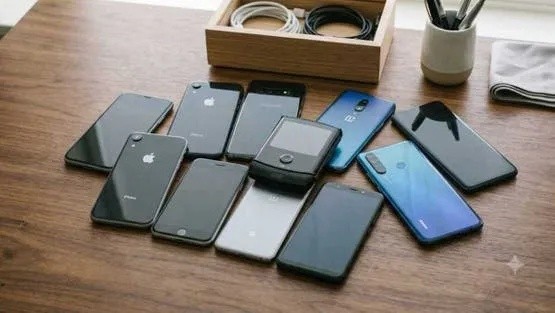
Your old phone, even if its screen is broken or battery efficiency has declined, might hold more value than you anticipate, especially with the growing market for used and refurbished phones and the rising costs of new devices. Recent data reveals shifts in the smartphone market that support this trend; IDC projects a 16.7% global decline in new phone shipments by 2026, coinciding with an increase in the average selling price of a phone to $581. In contrast, GSMA, a global organization representing mobile operators and companies in the telecommunications sector, anticipates growth in the used and refurbished phone market in the coming years, indicating that nearly half of consumers worldwide are willing to consider purchasing a refurbished phone for their next device. There are several reasons why selling an old phone is a better option than leaving it unused, according to the American company "The Whiz Cells," which specializes in buying, selling, and refurbishing used electronic devices and phones: **1- The Used Phone Market is Growing:** With the rise in prices for new phones, purchasing a used or refurbished device has become an attractive option for users seeking good specifications at a lower cost. GSMA data confirms this trend, expecting the used and refurbished phone market to grow by approximately 8% annually, while sales of new phones decline in 2026. Furthermore, the 2026 Phone Resale Index issued by GSMA showed that the average resale price of a phone in Europe reached €189, an increase exceeding 10% compared to €170 in 2025. Older models such as iPhone 11 and iPhone 12 remain among the most traded phones in the resale market. **2- Broken Screens Do Not Mean Worthlessness:** Even phones with broken screens can retain value, as some of their internal components may still be usable or resalable. The Whiz Cells indicates that some damaged devices can be sold, while recent data from Swappa, a platform specializing in used and refurbished devices, shows that the value of a broken phone largely depends on its model and the condition of its undamaged components. Components that may hold value include the motherboard, cameras, battery, and some parts of the screen if they are intact. Recent data also suggests that rising prices for some phone components have driven refurbishing and recycling companies to utilize damaged devices previously considered scrap. **3- Phone Value Depreciates Over Time:** The resale value of a phone decreases after its launch, but the rate of depreciation varies significantly from one model to another. According to Swappa's 2026 data, an iPhone typically loses about 28% to 33% of its value during the first year. In contrast, the depreciation rate for some flagship Galaxy S phones from Samsung ranges between 47% and 66%, and for some Google Pixel phones, it ranges between 60% and 72%. Therefore, holding onto a phone for a long time as a backup device does not necessarily preserve its value, especially with new generations being continuously released. **4- Selling for Cash Differs from Trade-in:** When trading in a phone with a telecommunications company or manufacturer, the user might receive the device's value as a discount or credit linked to purchasing a new phone, rather than direct cash. Selling the phone to an entity that buys used devices, however, allows for obtaining the device's value in cash, according to the price set by the entity and the phone's condition. Resale market data shows that phones still generate substantial returns when resold, with the average resale price in the Recommerce Index for 2026 being approximately €189 in Europe. **5- Non-Functional Phones May Still Have Value:** It is not a prerequisite for a phone to be fully functional to hold value. Devices that do not work can sometimes be sold for their components, depending on the model and the damage incurred. Swappa clarifies that the value of a phone designated for parts comes from the components that survived the damage, noting that modern devices with high-value components can fetch significant amounts, while some older phones might only be worth a few dollars. Furthermore, reusing and refurbishing phones extends the lifespan of devices and reduces the need for manufacturing new ones; GSMA indicates that extending a phone's life through reuse, repair, and refurbishment can contribute to reducing emissions associated with device manufacturing. In conclusion, an old or broken phone is not necessarily worthless. Before disposing of it, it is advisable to check its resale price based on its model and condition, especially given the rising prices of new phones and the growth of the used and refurbished device market.