policy
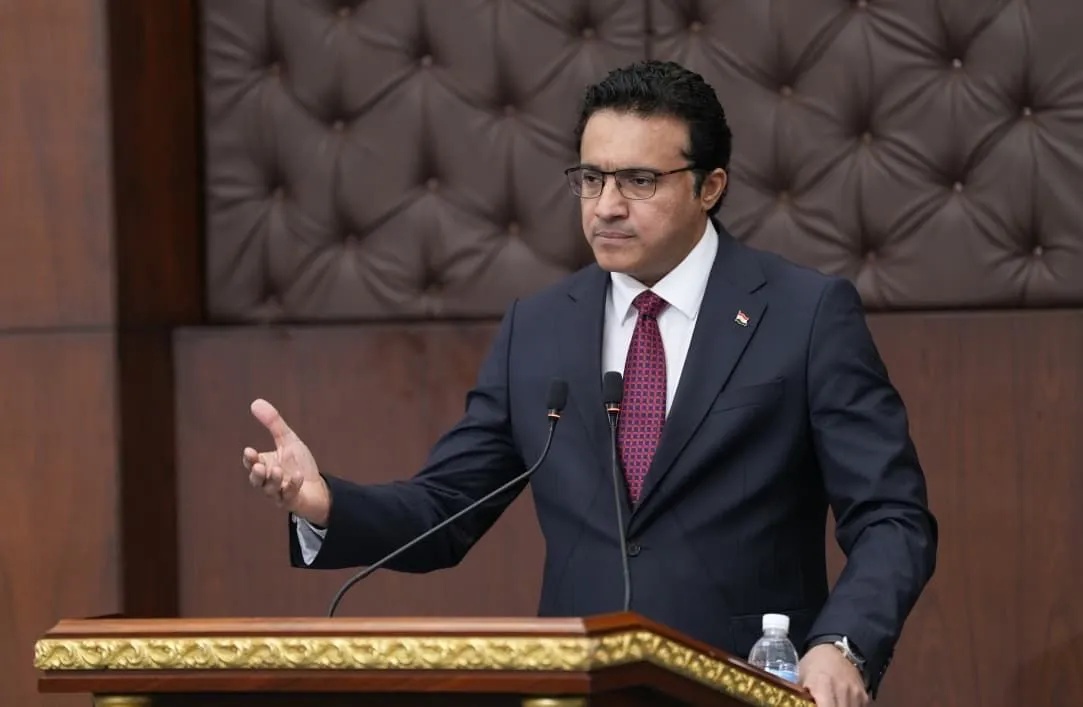
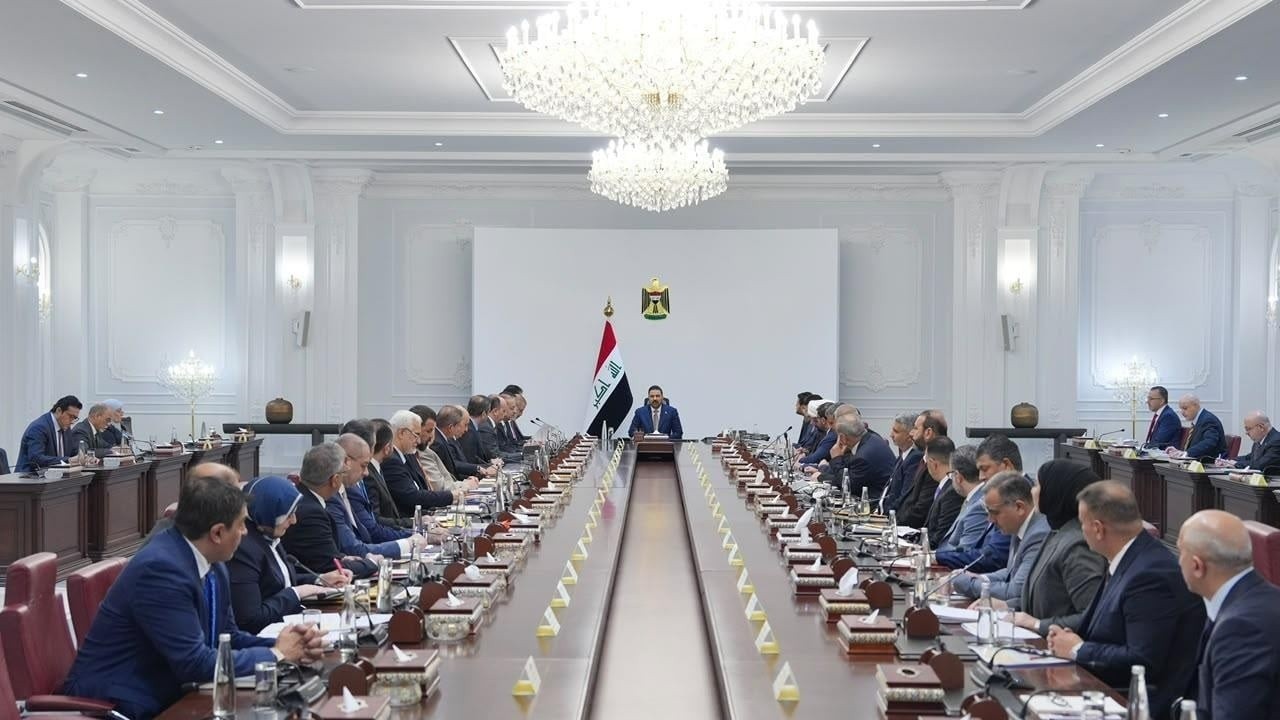
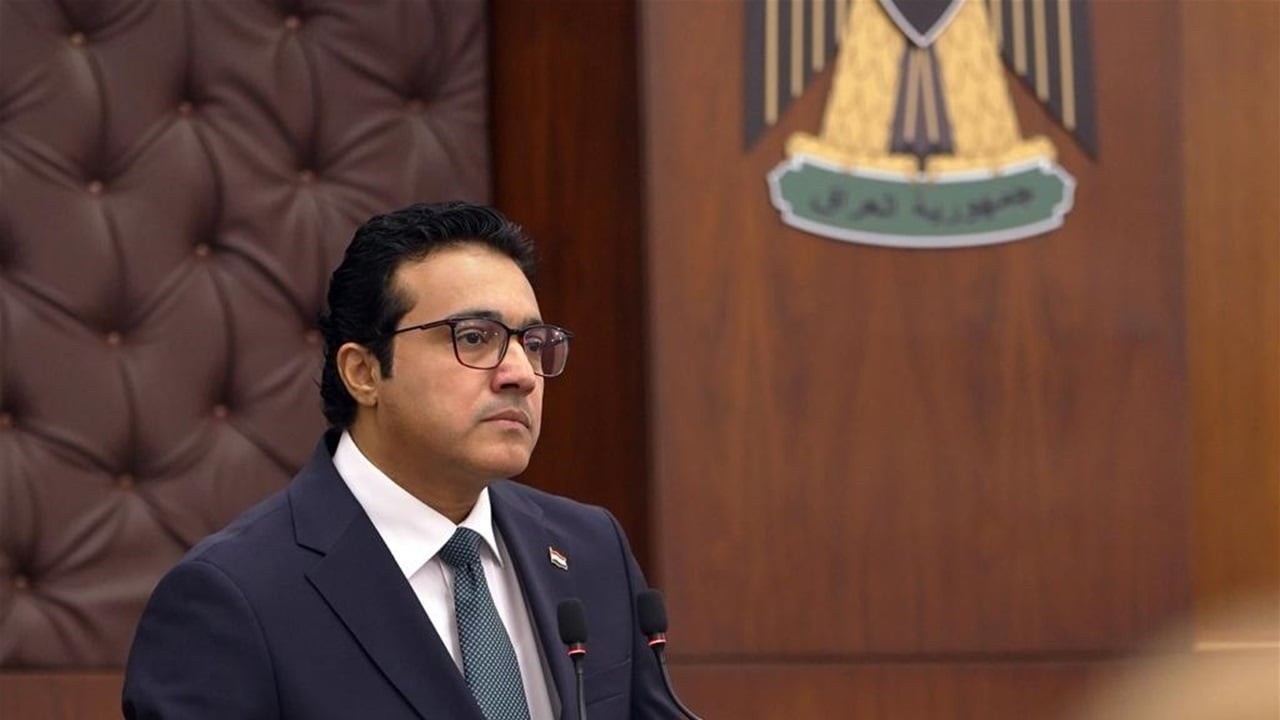
Government Spokesman, Haider Al-Aboudi, affirmed Iraq's commitment to not allowing its territory to be used as a launching pad for attacks on neighboring countries, while simultaneously denying any government approval for attacks within Iraqi territory. Al-Aboudi explained, in a televised statement, that attacks targeting seven Iraqi governorates early Wednesday coincided with the Prime Minister's return from Ankara following an official visit. He noted the government received news of the assault at 2:50 AM, after which the Commander-in-Chief of the Armed Forces immediately convened an urgent meeting with security leaders to devise plans for dealing with the repercussions. He added that the Ministerial Council for National Security strongly rejected and condemned the attacks undermining national sovereignty. Al-Aboudi stressed the government has consistently adopted diplomatic solutions and dialogue to prevent further regional crises and escalation. He indicated the government has not been drawn into regional conflicts and believes in partnership and good neighborliness with all countries, preferring diplomatic solutions to calm tensions. He revealed shelling targeting seven governorates resulted in the martyrdom of over 18 individuals and the injury of 20 others from the Popular Mobilization Forces. Al-Aboudi elaborated that Iraq, one of the most conflict-affected nations at the heart of a volatile geography, necessitates a balanced foreign policy. He stated the government addressed Saudi Arabia to provide evidence regarding attack claims, demanding shared security information for verification. Investigative committees formed found no validation for those claims. He reaffirmed the government will not be a party to any war or part of any regional conflict axis. He also pointed out the suspension of the Prime Minister's scheduled visit to Saudi Arabia following these recent attacks. Regarding security affairs, Al-Aboudi announced that September 30th represents the final deadline for ending the international coalition's presence in the country. On the economic front, the spokesman noted that during its recent visit to Turkey, the government signed agreements for the strategic Development Road project and is diligently working to ensure the continued flow of Iraqi oil despite regional challenges. He emphasized that geopolitical changes have shaped Iraqi foreign policy, which is based on economy and non-alignment. He added that the regional crisis significantly impacted the Iraqi economy, necessitating joint committees with the Turkish side to prepare a comprehensive study on Iraqi oil exports. He clarified the Minister of Transport's delay in signing the memorandum of understanding with the Turkish side was due to a technical fault. Al-Aboudi confirmed the Ceyhan corridor is considered the safest route for Iraqi oil flow currently. He highlighted the continued closure of the Strait of Hormuz has negatively affected the general budget, and the government is committed to paying salaries, seeking to secure them through domestic borrowing, and may resort to external borrowing if the strait remains closed.