

Eco
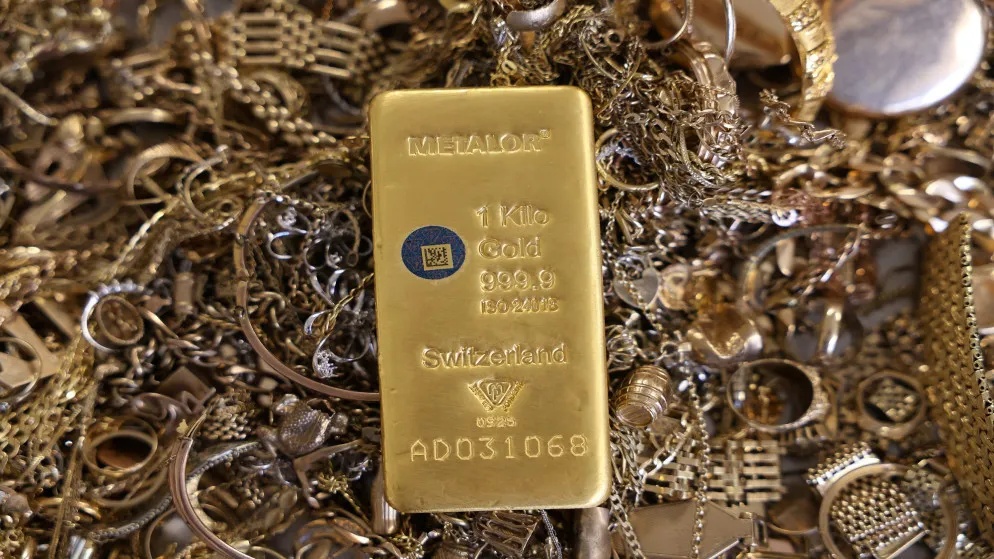
Gold prices continued their upward trend, reaching an over one-week high. Investors are assessing weaker-than-expected employment data, with declining oil prices offering additional support to the precious metal. Spot gold rose 0.8% to $4063.56 an ounce by 01:03 GMT. On Wednesday, it had reached $4114.99 an ounce, its highest mark since June 23. Meanwhile, U.S. gold futures for August delivery slipped 0.2% to $4075.60. An employment report from ADP Research Institute indicated that the private sector added only 98,000 jobs last month, a decrease from an unrevised 122,000 in May. Oil prices declined after indirect talks between Iran and the United States, which focused on the Strait of Hormuz, concluded with little progress towards a lasting peace. Concerns persist that rising oil prices and a strong job market could exacerbate inflation and keep interest rates elevated for longer. While gold is typically viewed as a hedge against high inflation, it loses its appeal as an investment when interest rates are high, given that it does not yield returns. According to CME's FedWatch tool, traders are currently assigning approximately a 64% probability to an interest rate hike in September. Investors are now anticipating the release of June's non-farm payrolls data, scheduled for later on Thursday, seeking further indications on the Federal Reserve's monetary policy trajectory, which could influence gold's near-term movements. Among other precious metals, spot silver gained 1% to $59.76 an ounce, platinum increased 0.4% to $1583.05, and palladium advanced 1.1% to $1223.80.