Global
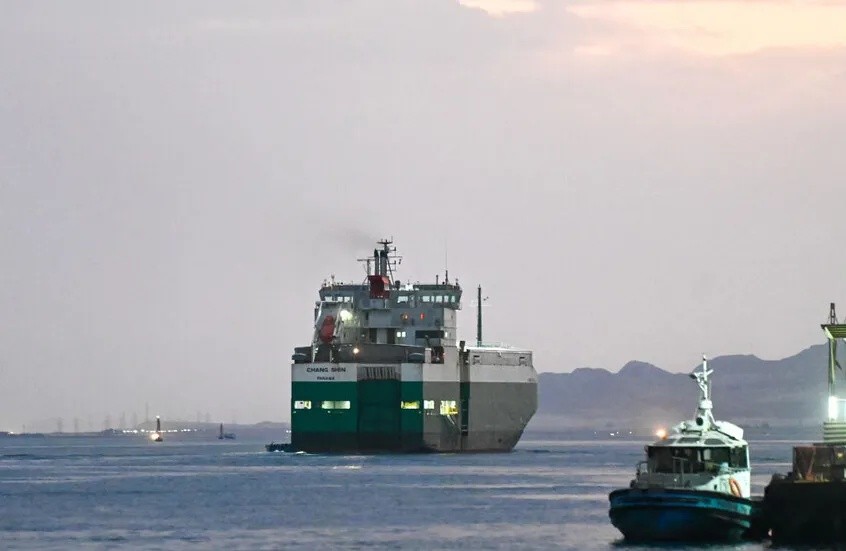
Damien Chevalier, Director of Maritime Safety at the International Maritime Organization (IMO), affirmed that the global shipping sector faces an unprecedented crisis, where vessels and seafarers are used as bargaining chips in conflicts. This crisis extends beyond the Strait of Hormuz, which initially impacted 2,000 ships and 20,000 seafarers. It now encompasses Houthi attacks in the Red Sea, escalating piracy off Somalia with hostage-taking, and increased drone attacks targeting oil tankers and grain ships in the Black Sea. Chevalier attributed the surge in piracy off Somalia to maritime asset concentration on Red Sea and Hormuz threats, allowing pirates to target smaller cargo ships. Somalia is actively drafting new anti-piracy legislation. In the Black Sea, the crisis differs from Hormuz; Ukrainian grain ports receive only one or two ships daily despite the harvest season, compared to the usual 20-30 vessels. The UN official stressed that the situation's unprecedented nature stems from shipping becoming a deliberate geopolitical leverage tool. Commercial vessels are treated as bargaining chips, with seafarers bearing the brunt, alongside the rising risk of substandard ships. Chevalier warned of dire economic consequences: Hormuz transports 20% of global oil, and any disruption impacts inflation and living costs worldwide. Hormuz and the Black Sea are vital arteries for fertilizer and grain trade, threatening food security. Impacts could extend into next year, particularly for developing nations, due to higher shipping costs from rerouting and security measures. Long-term concerns center on the future of the maritime workforce. The seafaring profession has become perilous; crews are untrained to handle broader conflict threats. This makes attracting younger generations challenging, and the consequences of this shortage may not emerge for 5-10 years, making rapid resolution difficult. Chevalier concluded the solution lies in diplomacy and respect for international law. He cautioned against normalizing threats like arming ships, which could foster smaller, more elusive weapons. He urged a return to constructive engagement via the United Nations.