
Eco
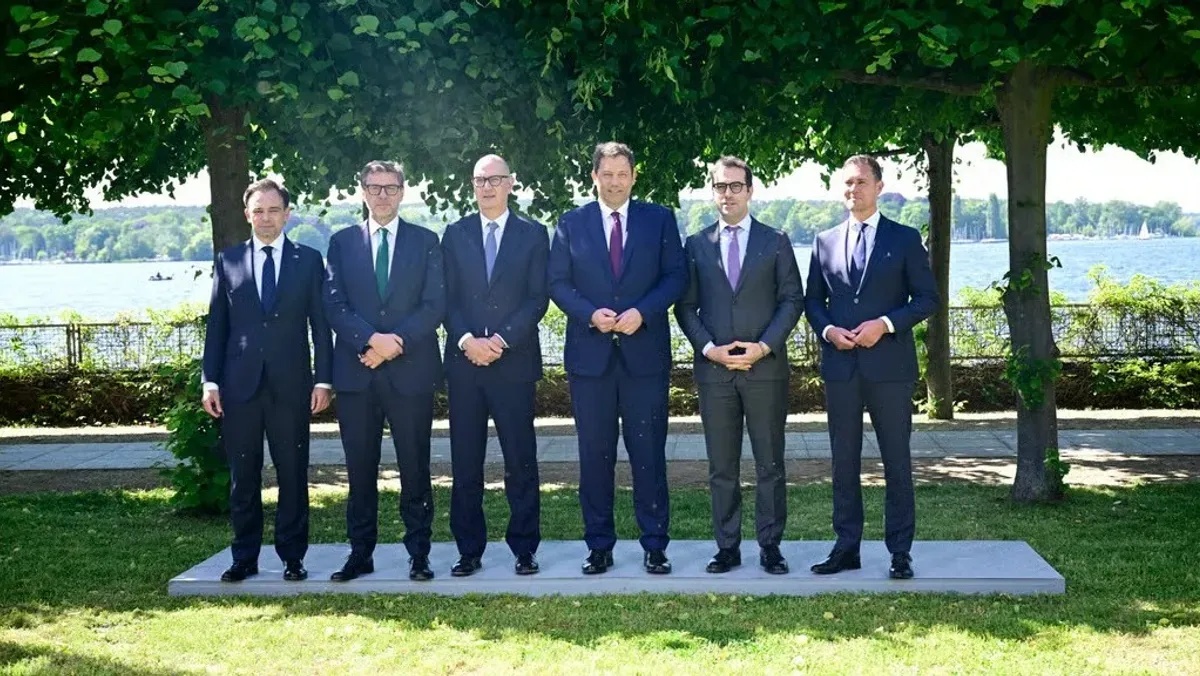
The six largest economies within the European Union – France, Germany, Italy, the Netherlands, Spain, and Poland – have reached an agreement on a shared vision to create a more integrated European financial market. This strategic move aims to bolster the EU's standing as a global investment powerhouse, capable of competing with major financial centers such as Wall Street and the City of London. The accord follows weeks of intensive consultations among the six nations and focuses on advancing a financial reform project designed to unify European capital markets. A key component is strengthening the role of the European Securities and Markets Authority (ESMA), transforming it into a more powerful, centralized regulatory body across the Union. However, a significant challenge now lies in securing the support of the remaining member states. The reforms require approval from at least nine additional countries within the Council of the European Union, ensuring the endorsement of 15 states representing 65% of the EU's population. The initiative seeks to establish a "Saving and Investment Union," facilitating the redirection of trillions of euros in European citizens' savings towards the bloc's economy, especially as governments face increasing financial pressures from successive crises. Finance ministers from the six countries concluded a mini-summit in Berlin, agreeing on the broad outlines of this ambitious plan. The agreement is set to be presented to their counterparts at the ECOFIN meeting in Luxembourg on June 12. Despite the general consensus, the document reflects internal disagreements among the six nations, particularly regarding the pace of transferring powers to ESMA. Italy and the Netherlands initially proposed an eight-year transitional period, though the Netherlands has since moderated its demands, advocating for a shorter duration. A compromise was reached, stipulating a gradual transfer of powers during an "appropriate and as short as possible" transitional phase. In another crucial concession, the six countries agreed that large cryptocurrency firms would fall under ESMA's supervision, while smaller entities would remain under national regulatory oversight. This initiative, developed independently of the slower legislative pace in Brussels, raises concerns about the potential emergence of a "two-speed Europe," where some countries might be left behind. Cypriot Finance Minister Makis Keravnos expressed this apprehension, stating that "creating a separate structure is not viable."