
Eco
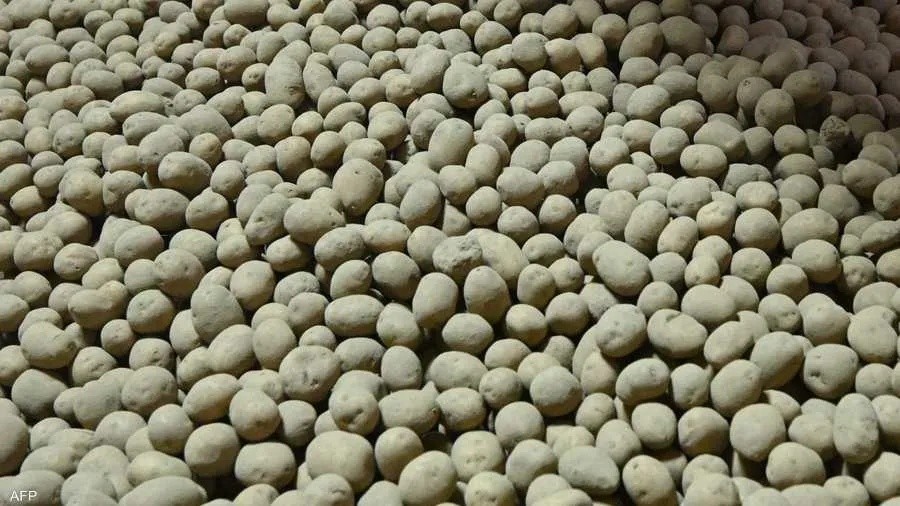
The European potato market has shifted in just one year from a record surplus that caused prices to collapse, to fears of supply shortages and rising costs. This follows a severe summer of heatwaves and drought that damaged crops and reduced tuber sizes. Estimates indicate these weather conditions cut potato yields in Germany, France, Belgium, and the Netherlands by approximately 3.1 million tons compared to the average of the past five years. An analysis by the Energy and Climate Intelligence Unit, a non-profit UK research organization, valued the lost production in these four nations at between 405 and 622 million euros, based on current price levels. The organization forecasts that the output from these countries, which form the hub of potato cultivation in Northwestern Europe, will fall to between 19.5 and 20.5 million tons during 2026, after reaching a record 27.3 million tons in 2025. This deficit is not solely due to weather conditions. Following a substantial surplus in the 2025 harvest that led to price crashes, farmers reduced the areas allocated for potato cultivation during the current season. The unplanted quantity resulting from this decision is estimated at an additional 3.6 million tons. Subsequently, heatwaves and drought exacerbated pressure on already cultivated areas, diminishing their productivity and crop quality. Craig Elliot, a market analyst at commodity price information firm Xpana, told the Financial Times: "We have gone from record highs to record lows in one year, if the estimates are realised." Data from the Energy and Climate Intelligence Unit shows yields decreased from the five-year average by 21 percent in Belgium, 13 percent in France, 10 percent in Germany, and 7 percent in the Netherlands. The problem is particularly evident in France, where the association of potato producers expects a 23 percent drop in the main crop during 2026, equivalent to about two million tons compared to last year. According to Reuters, the average yield per hectare is projected to fall to 37.4 tons, a 14 percent decrease from 2025, marking the second-lowest level in three decades after the severe drought season of 2022. Farmers stated that heat and lack of rain halted potato growth in several fields, especially those not reliant on irrigation systems. The issue extends beyond tonnage to the size and quality of the tubers. In some fields, the majority of potatoes have a diameter of less than 40 millimeters, while crisp and french fry factories typically prefer potatoes exceeding 50 millimeters in diameter. These conditions prompted the French producers' association to urge factories to ease some contract terms and accept varying sizes and specifications, to avoid rejecting a significant portion of the available harvest. The shift is already visible in markets, with prices for certain new potato varieties designated for processing rising to about 250 euros per ton in European regions, after hovering around just 30 euros a year ago. However, rising prices do not guarantee benefits for all farmers, as some are bound by contracts signed before the drought waves. This could leave them with lower output and higher costs without fully realizing the market increase. The 2026 estimates remain preliminary and subject to change as the harvest completes. The discussion centers on a potential supply shortage, not the disappearance of potatoes from markets. Nevertheless, current indicators reveal a stark agricultural paradox: in 2025, farmers feared finding no buyers for their abundant potatoes, whereas in 2026, the market might be searching for them after reduced acreage and heat prevented the tubers from growing sufficiently.