
Eco

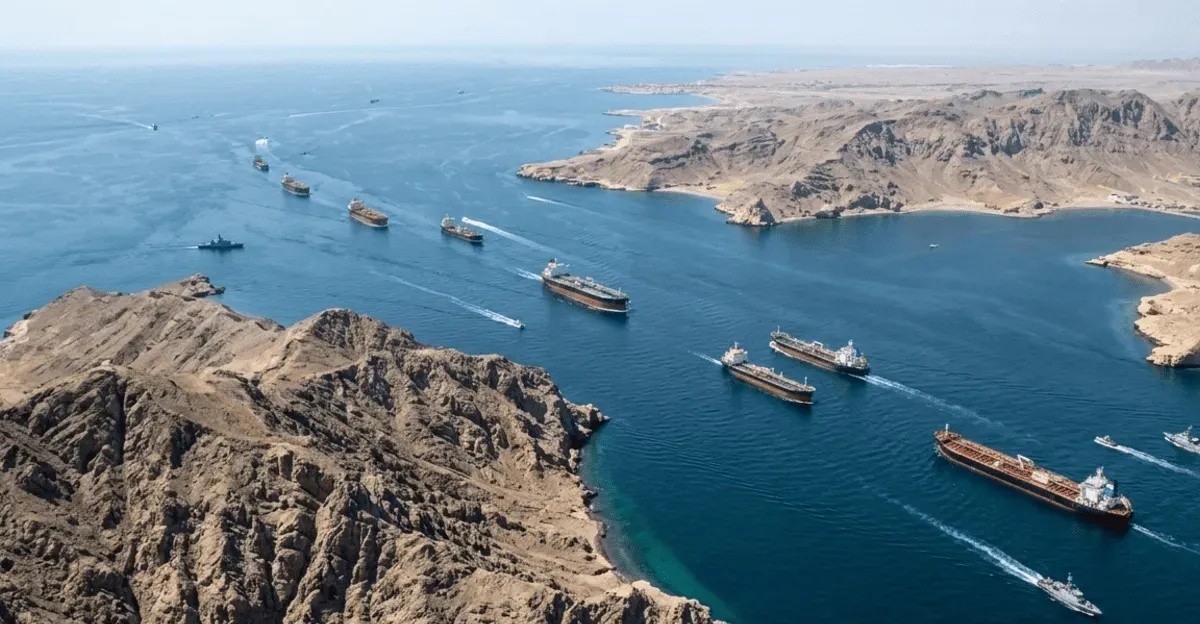
Navigation through the Strait of Hormuz has sharply declined, with shipping data released Monday showing a noticeable reduction in commodity vessel crossings. The daily average for these vessels reached only 10 over the past ten days, indicating escalating security tensions in the region. According to data from "Kepler," the ten-day moving average stood at 10 vessels on Sunday, compared to more than 15 on Friday and approximately 13 on Saturday. Only two vessels crossed the Strait on Saturday, while six passed through on Sunday, mostly via the Iranian route. This downturn comes amidst a series of escalating events. The U.S. Central Command announced that its forces targeted three Iranian oil tankers on Saturday, including one off Kharg Island, a primary Iranian oil export hub. The Command stated these attacks were in response to previous assaults by the Iranian Revolutionary Guard Corps (IRGC) against U.S. warships in the area. In response, the IRGC Navy announced it had targeted three oil tankers navigating unauthorized routes within the Strait, in addition to three U.S. ships in various locations. "Marisechs," a specialized maritime information firm, identified the three targeted Iranian tankers in a memo as "Dawn II," "Stark 1," and "Kylo" (also known as "Noxen"). Marisechs described these attacks as a "significant escalation in the naval conflict," noting that "commercial tankers are now deliberately being used as tools for mutual economic pressure, significantly weakening the previous distinction between military confrontation and commercial shipping." Marisechs cautioned that the risk level is assessed as "extremely severe" for Iranian or Iran-linked cargoes, and "tangibly high" for U.S.-linked or U.S.-escorted vessels, throughout the Strait of Hormuz and the Gulf of Oman.