

Eco
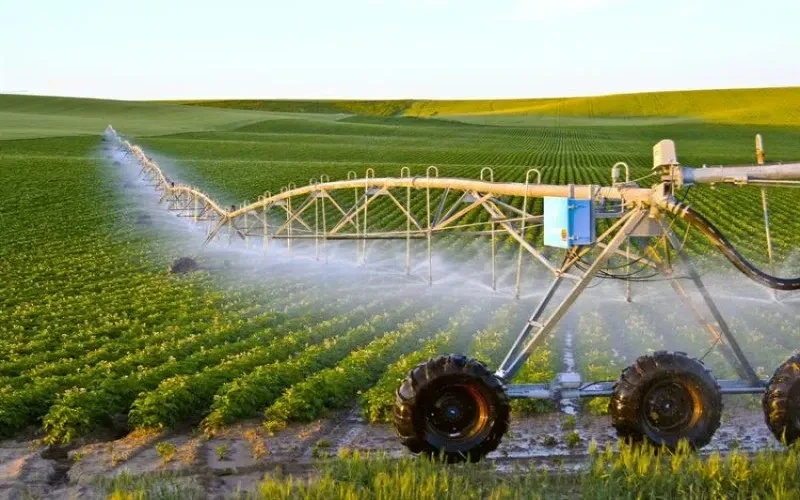
The Ministry of Agriculture on Friday unveiled details of its ambitious summer cultivation plan, set to commence on the twentieth of June. The Ministry affirmed that the unprecedented water abundance witnessed across the country has positively and directly impacted the agricultural sector, leading to the lifting of restrictions on certain strategic crops, foremost among them rice (Shalash), and an increase in the allocated cultivation areas to reach 1.8 million dunams. Undersecretary of the Ministry of Agriculture, Mahdi Al-Jubouri, explained that the heavy rainfall experienced by the country this year, coupled with a significant increase in water revenues from the Tigris and Euphrates rivers, has effectively boosted water reserves to over 3 billion cubic meters. Al-Jubouri noted that this water abundance follows several lean years of drought that adversely affected the agricultural sector, and aligns with the Minister of Water Resources' assurances regarding predictions for a relatively comfortable water season for the country. Al-Jubouri added that this recovery in water resources has resulted in a substantial increase in water releases directed to farmers, enabling the Ministry to develop an ambitious summer cultivation plan covering a total area of 1.8 million dunams. Al-Jubouri clarified that, based on the new water data, restrictions on water-intensive crop cultivation have been partially and unprecedentedly lifted. He highlighted the allocation of over 360,000 dunams for rice (Shalash) cultivation for the first time in several years, representing the largest area approved for securing this strategic crop compared to previous seasons that saw strict bans or significant reductions. He further indicated that the summer plan is not limited to rice alone but also includes the cultivation of yellow corn, given its vital importance in supporting and developing the livestock sector through fodder provision. The plan also encompasses the cultivation of various summer vegetable crops, as well as fodder and industrial crops. Al-Jubouri affirmed that implementing this year's plan will utilize innovative, non-traditional methods via an "integrated agricultural package" to rationalize water use and boost productivity. He detailed key techniques: laser land leveling for equitable water distribution and reduced waste; fertilized planters for efficient yellow corn cultivation; dry techniques and rice seedlings to minimize water consumption for rice, ease weed control, and pesticide application. Additionally, modern irrigation, including drip for summer vegetables and fixed sprinklers for fodder and industrial crops, will be employed. He pointed out that the adoption of these advanced techniques, in parallel with the introduction of new high-yield, drought- and salinity-resistant seed varieties – developed locally by the Department of Agricultural Research and Ministry experts – will achieve high productivity per dunam and reduce production costs. This, in turn, will positively and directly impact the profitability of Iraqi farmers and contribute to ensuring the country's food basket.